





Table of Contents
- Understanding What Affordable Sustainable Clothing Really Means
- How to Shop Sustainably on a Budget
- Best Affordable Ethical Clothing Brands
- Evaluating Sustainable Materials and Fabric Choices
- Ethical Clothing Brands with Transparent Supply Chains
- Common Mistakes When Shopping for Sustainable Clothing
- Extending Garment Life Through Care and Repair
- Frequently Asked Questions
Last Updated: October 13, 2026
Understanding What Affordable Sustainable Clothing Really Means
Finding affordable sustainable clothing isn't about choosing between price and ethics, true affordability means value over time, not a low sticker price.
A $20 dress that falls apart after three washes costs more than a $40 piece you'll wear for two years.
Most brand roundups stop at "look for sales" or "shop secondhand", advice that won't tell you whether a $68 linen shirt beats a $22 cotton blend.
Step 1: Sort the Price Into a Realistic Tier
Anchor affordability to tiers, not a single number:
- Entry tier ($10-$35 per piece): Basics, tees, simple dresses, secondhand finds. Expect shorter lifespans unless construction is unusually good.
- Mid tier ($35-$90 per piece): Where most durable sustainable staples live, denim, knitwear, button-downs, outerwear liners.
- Investment tier ($90-$300+ per piece): Coats, boots, tailored pieces, and anything you'll wear weekly for years.
A $21 bamboo dress and a $180 wool coat are both "affordable" if they fit their category's tier and you'll actually wear them.

Step 2: Run the Cost-Per-Wear Math
Cost per wear measures true affordability: divide price by realistic wears.
- A $60 jacket worn 100 times = $0.60 per wear.
- A $20 shirt worn twice = $10.00 per wear.
- A $21 bamboo dress worn 40 times = about $0.53 per wear.
To calculate: estimate realistic wears per year (count similar items in your closet), multiply by expected years, then divide price by that total.
A dress worn 50 times beats a cheaper one worn 5 times, same math whether new, secondhand, or hand-me-down.
Step 3: Adjust for Durability, Repairability, and Resale
Cost per wear is a starting point. Three adjustments change it:
- Durability: Check stitch density at stress points (armholes, crotch, pocket corners), fabric weight, and whether buttons and zippers feel anchored. A garment that survives 60 washes instead of 15 cuts its effective cost per wear by roughly 75%.
- Repairability: Can you replace the zipper? Are seams accessible? Is there extra fabric in the hem? Garments with generous seam allowances and standard hardware are cheaper to keep alive.
- Resale value: Brands with active resale markets (denim, outdoor gear, designer knits) recover part of their cost when you're done. A $120 jacket you resell for $50 effectively cost $70.
Step 4: Set a Budget and Prioritize Replacements
A budget turns intentions into decisions. A simple wardrobe split:
- Basics and essentials (about 40%): Underwear, socks, tees, one or two pairs of well-fitting pants.
- Versatile mid-layer pieces (about 35%): Knitwear, button-downs, dresses, skirts that mix across seasons.
- Occasion and statement items (about 25%): Anything you wear less often but still need.
Then prioritize by replacement need, not want: rank what's worn out, what no longer fits, and what's missing to make outfits work. Buy the top item before adding anything new.
Why Price Alone Doesn't Define Affordability
Affordable doesn't mean cheap, it means reasonable for what you get. A $15 fast-fashion shirt seems affordable until it sheds fibers, loses shape, and needs replacing.
Sustainable brands often cost more because they:
- Use quality materials that last longer
- Pay workers fair wages
- Invest in low-impact production
The real cost includes environmental impact: cheaper clothing brings hidden costs like water pollution, chemical waste, and landfill overflow.
How to Shop Sustainably on a Budget
You don't need a large budget to build a sustainable wardrobe. Strategic shopping makes all the difference.
Set Your Budget First
Know what you can spend to prevent impulse buying. Break it into categories: basics (40%), versatile pieces (35%), special occasion (25%). If you're new to sustainable shopping, buy one quality piece each month rather than multiple cheap items.
Prioritize Pieces You'll Wear Repeatedly
Before buying, ask: will I wear this at least 20 times? If not, skip it. Focus on neutral colors, classic styles, comfortable fits, and versatile pieces.
A plain black dress works with sneakers, heels, or a blazer. That's versatility. A trendy graphic tee that only matches one outfit isn't.
Explore Secondhand and Resale Options
Buying secondhand is the most sustainable choice. Thrift stores, consignment shops, and online resale platforms offer vintage and hard-to-find items, designer pieces at budget prices, and support for circular fashion. Start local, then explore online resale for specific brands, you'll often find unworn items with tags attached.
Best Affordable Ethical Clothing Brands
Quality sustainable fashion exists at multiple price points. The key is knowing what to look for.
What Makes a Brand Truly Ethical
Ethical brands prioritize fair labor and transparency, publishing where and how clothes are made and paying living wages in safe conditions. Look for disclosed factory locations, certified sustainable materials, minimized production waste, annual sustainability reports, and third-party audits. Red flags: vague "eco-friendly" claims or refusal to share supply chain details.
Brands That Balance Cost and Conscience
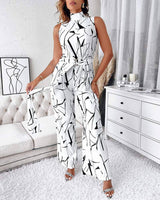
Hot Possessions & Glitter Girls offers on-trend fashion with a focus on quality and value. Our Women Short Sleeve Soft Bamboo Dress with Pockets exemplifies affordable sustainability.
Bamboo viscose requires less water than conventional cotton, the relaxed fit suits multiple occasions, and the pockets add practical value, proof that affordability and sustainability can coexist.
Evaluating Sustainable Materials and Fabric Choices
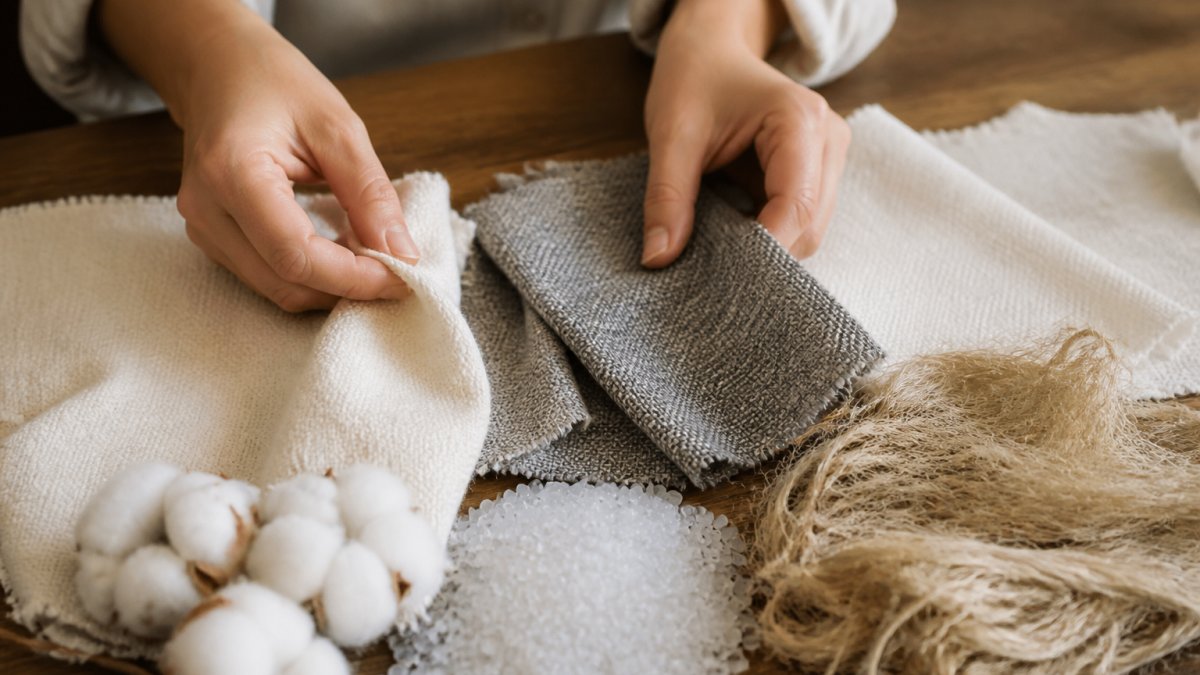
What your clothes are made from matters, materials differ in environmental impact and durability.
Women Short Sleeve Soft Bamboo Dress with Pockets →
Natural Fibers That Last
Natural fibers breathe better, often outlast synthetics, and break down at end of life instead of sitting in landfills for decades. Options:
- Organic cotton: Grown without synthetic pesticides. Softer and more durable than conventional cotton.
- Linen: Extremely durable. Gets softer with every wash. Lasts for years.
- Bamboo viscose: Requires less water than cotton. Soft and breathable. Good for warm weather.
Natural fibers cost more upfront but justify it through longevity, a linen shirt worn ten years beats five cheap synthetic shirts.
Recycled and Low-Impact Options
Recycled materials reduce waste by giving new life to existing textiles and plastics, while low-impact production uses less water and fewer chemicals. Options:
- Recycled polyester: Made from plastic bottles or old clothing. Durable and affordable.
- Recycled nylon: Strong and flexible. Ideal for activewear.
- Deadstock fabrics: Leftover materials from other production. Zero waste.
Low-impact dyes and finishes reduce chemical pollution. Look for certifications like OEKO-TEX or GOTS that verify low-impact production.
Ethical Clothing Brands with Transparent Supply Chains
Transparency builds trust, but "transparent" has become a marketing word, you need a way to test whether a claim is real. Here's a 10-minute verification checklist for any brand.
A 10-Minute Verification Checklist
Work through these in order. A brand passing all five is doing meaningful work; one failing two or more is likely greenwashing.
- Find the supply-chain page. Look for a "Factories," "Our Makers," "Supply Chain," or "Impact" page in the site footer or main navigation. If the only sustainability content is a blog post or a homepage banner, that's a warning sign.
- Check for named facilities. Strong disclosures name specific factories, their cities, and often the number of workers. Weak disclosures say things like "ethically made in partnership with trusted suppliers" without naming anyone.
- Look for third-party audits or certifications. Self-reported claims don't count. Look for named certifiers (see the certification list below) with certificate numbers or audit years.
- Read the materials disclosure. A real disclosure tells you fiber content by percentage and, ideally, the mill or country of origin. "Eco-friendly fabric" with no percentages is a red flag.
- Check the last update date. Sustainability pages that haven't been touched in three or more years usually mean the program stalled.
How to Read a Supply-Chain Disclosure
A useful disclosure answers four questions: who made it (named factories, not "our partners"), where (country and ideally city), under what conditions (wages, hours, safety, freedom of association), and verified by whom (a named third party, not the brand itself). A brand answering all four is rare and worth supporting; one answering one or two is normal, note which and decide whether the gap matters.
Greenwashing Red Flags
Watch for these specific patterns:
- Vague language: "Eco-friendly," "green," "natural," "conscious," or "planet-positive" with no definition or metric.
- Single-issue focus: A brand that talks only about recycled packaging while saying nothing about labor or materials.
- Borrowed credibility: Displaying certification logos the brand itself doesn't hold (for example, showing a fabric supplier's certification as if it were the brand's).
None of these alone proves a brand is dishonest. Two or three together usually does.
Certifications and Standards That Matter
Certifications provide independent verification, but cover different things, materials, labor, chemicals, or overall conduct. Meaningful ones:
- Fair Trade Certified: Focuses on fair wages, safe conditions, and worker voice. Rigorous auditing, especially for agricultural and textile supply chains.
- B Corp Certified: Verifies overall social and environmental performance across the business. Recertified on a rolling basis.
- OEKO-TEX Standard 100: Tests finished textiles for harmful chemicals. Does not cover labor.
One certification isn't enough, look for brands with multiple certifications across materials, labor, and chemicals, since a single cert proves only one slice.
How to Compare Two Brands Side by Side
Deciding between two similar pieces? Run this comparison:
| Question | Brand A | Brand B |
|---|---|---|
| Named factories? | ||
| Third-party labor audit? | ||
| Fiber content disclosed by %? | ||
| Certifications held (not borrowed)? | ||
| Sustainability page updated in last 2 years? | ||
| Responds to sourcing questions? |
Score each row yes or no. More yeses is the safer bet, if both score low, look for a third option or buy secondhand.
When to Walk Away
If a brand refuses to share factory locations, won't answer sourcing questions, or leans on vague language, treat that as a signal. If nothing in your price range passes the checklist, secondhand and resale are the strongest fallback, sustainability is built in, and the verification problem disappears.
Common Mistakes When Shopping for Sustainable Clothing
The biggest mistake is buying cheap "sustainable" items from brands making vague claims. Greenwashing, environmental language without real commitment, is rampant, and a brand calling itself "eco" without certifications or transparency is likely guilty.
Other common mistakes include:
- Buying trendy pieces you won't wear long-term
- Ignoring fit and comfort for ethics
- Assuming all sustainable brands are expensive
Start with one quality piece, wear it repeatedly, then add another, building a wardrobe you love instead of unused "ethical" items.
Extending Garment Life Through Care and Repair
The most sustainable clothing is the piece you already own. Basic care extends garment life: wash cold, turn clothes inside out, air dry, mend small holes before they spread, and store properly.
Learn basic repair skills, sewing a button takes five minutes, and patching a small hole prevents a garment from becoming unwearable. Many communities offer repair workshops or clothing swaps.
Frequently Asked Questions
How can I tell whether a clothing brand is genuinely sustainable?
Look for specific certifications like Global Organic Textile Standard (GOTS) for organic materials or Fair Trade Certified for labor practices. Check if the brand publishes detailed supply chain information, including where materials are sourced and manufactured. Brands that are transparent about environmental impact, water use, and waste reduction are more credible than those making vague 'eco-friendly' claims. Verify through independent reviews and third-party audits rather than relying solely on brand marketing.
What's the best way to build a sustainable wardrobe on a budget?
Start by investing in quality basics made from durable materials like organic cotton or recycled fibers that you'll wear repeatedly. Calculate cost per wear, a $50 dress worn 100 times costs 50 cents per wear versus a $20 dress worn five times costing $4 per wear. Buy secondhand or resale clothing to reduce costs while lowering environmental impact. Focus on versatile pieces that mix and match, and avoid fast fashion impulses by planning purchases ahead of time.
Are affordable ethical clothing brands trustworthy?
Yes, but verify their claims independently. Many affordable brands commit to ethical practices by streamlining operations rather than cutting corners on labor or materials. Check for third-party certifications, read customer reviews about quality and durability, and research the brand's publicly available supply chain documentation. Brands offering transparent pricing breakdowns and clear return policies tend to be more trustworthy. Look for consistent practices across their entire product line rather than isolated 'sustainable' collections.
What materials should I look for in sustainable clothing?
Prioritize natural fibers like organic cotton, linen, and hemp, which biodegrade and require fewer chemicals than conventional cotton. Bamboo viscose is sustainable when produced responsibly and offers comfort and durability. Recycled polyester and other recycled fibers reduce waste and resource consumption. Avoid materials requiring excessive water use or chemical processing. Check product descriptions for fiber content percentages and look for low-impact dyeing methods. Blended fabrics combining natural and recycled materials often offer the best balance of durability and sustainability.
Finding affordable sustainable clothing means shifting from price to value. At Hot Possessions & Glitter Girls, we make this easier with quality pieces like our Women Short Sleeve Soft Bamboo Dress at just $21.00, plus free shipping on orders over $150. Use code GET10 for 10% off your first order. Shop our collection of over 4,000 on-trend items, all designed for real life and real budgets. Start building your sustainable wardrobe today with pieces that last.