


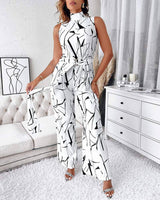
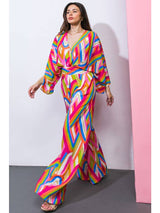

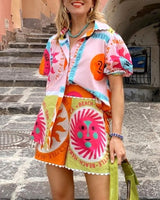

Table of Contents
- Understanding Semi-Formal Dress Code for Teens
- Semi-Formal Outfit Ideas for Juniors: Dresses and Lengths
- Tops, Shirts, and Blazers for Semi-Formal Events
- Pants, Skirts, and Bottom Options
- What Shoes to Wear with a Semi-Formal Dress
- Accessories and Statement Pieces
- Styling Tips for Comfort, Fit, and Budget
- What to Avoid at a Semi-Formal Event
- Frequently Asked Questions
Last Updated: October 10, 2026
Understanding Semi-Formal Dress Code for Teens
A semi-formal event juniors attend sits between casual and black-tie formal, calling for polished pieces that show respect without looking stiff. The formality level shifts depending on the specific event type and any dress code stated on the invitation.
The key is understanding what the event calls for: elegance without overdoing it. Skip ripped jeans and athletic wear, but avoid full evening gowns unless it's prom-level formal.
Semi-Formal Varies by Event Type
School dances and proms: Girls wear knee-length or midi dresses, cocktail dresses, or dressy separates. Boys wear dress pants with collared shirts (ties optional) or suits. Prom calls for more formal styling, cocktail dresses, suits, or tuxedos if specified.
Family dinners and celebrations: A nice dress with dress shoes, or dress pants with a collared top and blazer, works perfectly. Aim for "put-together" rather than "dressed up." Ties and jewelry should be minimal.
Parties and social events: Check the invitation. "Semi-formal" calls for polished separates or a dress; "dressy" allows slightly more casual; "cocktail attire" requires structured dresses, blazers, and dress shoes.
Invitation-specific dress codes: Always read carefully. "Cocktail attire" is more formal; "business casual" is less formal; "dressy casual" falls between casual and semi-formal. When in doubt, ask the host.
Core Semi-Formal Guidelines
Semi-formal typically means:
- Knee-length or midi dresses (or dressy separates)
- Collared or button-down tops with dress pants, khakis, or skirts
- Blazers or sport coats layered over nice tops
- Polished shoes (no sneakers, flip-flops, or athletic wear)
- Minimal but intentional accessories
- Structured, intentional fabrics
The Balance Rule
Semi-formal offers flexibility within boundaries. A school dance might lean casual-elegant (nice dress with flats or dress pants with a simple top), while a family dinner calls for something slightly dressier (midi dress with heels or dress pants with a blazer). The core rule: look intentional and match the event's formality level.
Semi-Formal Outfit Ideas for Juniors: Dresses and Lengths
Dresses are the easiest path to a semi-formal look. Length and fabric matter most.
Midi and Knee-Length Dresses
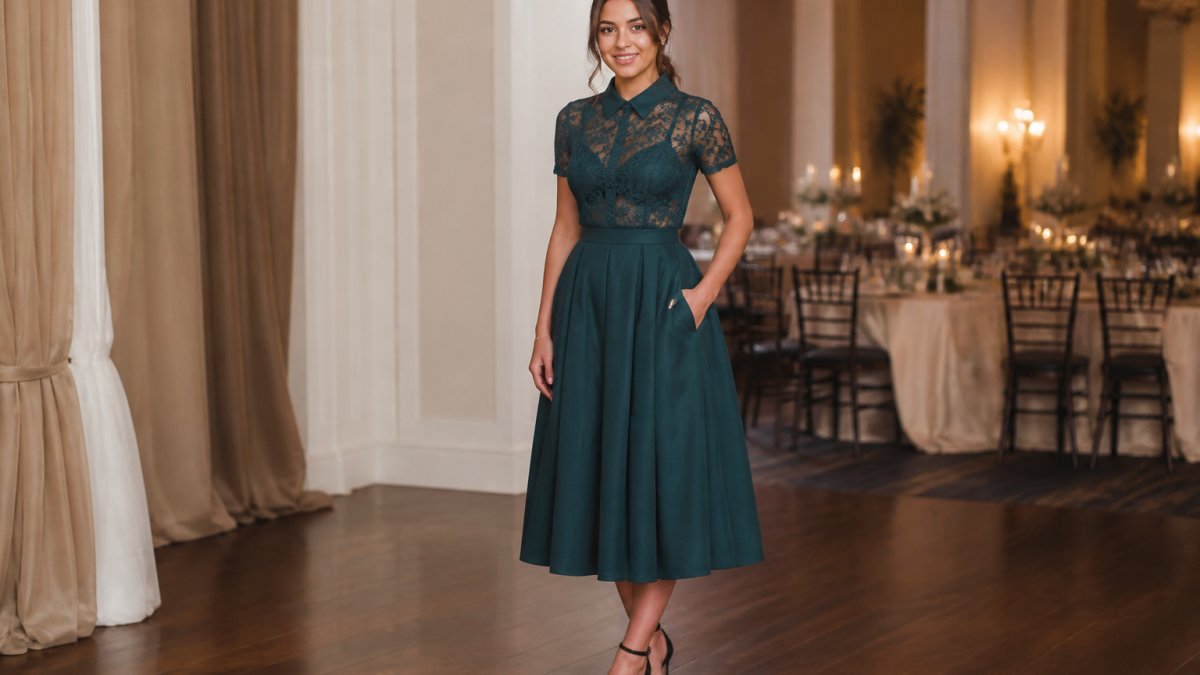
Midi dresses (hitting mid-calf) and knee-length dresses are the safest semi-formal choices. Pair them with dress shoes or knee-high boots.
Choose solid colors or subtle patterns in navy, black, burgundy, or jewel tones. Stick with structured fabrics rather than stretchy knits.
Style with a blazer, dress shoes or heeled boots, simple jewelry, and a small structured bag.
Mini Dresses with Coverage
Mini dresses work for semi-formal events with added coverage. Pair with tights, a blazer, or a longer top to create the right balance.
Layer with a structured blazer or cardigan, opaque tights, and dress shoes or boots that reach at least mid-calf.
Evening Gowns and Cocktail Dresses
Save full evening gowns for prom. Cocktail dresses (hitting just above or at the knee) work better for most semi-formal situations.
Choose solid colors, subtle patterns, or light embellishments. Pair with dress shoes and minimal jewelry.
Tops, Shirts, and Blazers for Semi-Formal Events
Pairing the right top with dress pants or a skirt works just as well as a dress.
Collared Shirts and Button-Down Tops
A crisp button-down shirt or collared top is a semi-formal staple. Pair with dress pants, khakis, or a skirt for instant polish.
Choose classic colors: white, light blue, black, or pastels. Avoid anything too casual or wrinkled, and ensure a comfortable, not oversized fit.
Tuck the shirt into your pants or skirt, roll sleeves slightly, and add a blazer for extra formality.
The Junior Embroidered Mesh Top from Hot Possessions & Glitter Girls offers a sophisticated alternative with embroidered details that add visual interest while keeping the look polished.

Blazers and Sport Coats
A blazer instantly makes any outfit more formal. Layer over a simple top, collared shirt, or dress. Navy, black, and neutral tones work best.
Blazers should fit well through the shoulders and taper at the waist. Avoid oversized or tight fits. Roll sleeves slightly for a modern look.
Pants, Skirts, and Bottom Options
The right bottom half completes your semi-formal outfit. Fabric, fit, and color all play a role in how polished you look.
Dress Pants and Khakis
Dress pants and khakis are semi-formal workhorses. Choose structured fabrics in neutral colors.
Black, navy, gray, and khaki are safest. Ensure pants fit well through hips and thighs without being too tight, with hems hitting at your shoe opening.
Skirts and Rompers
Midi and A-line skirts work beautifully for semi-formal events. Rompers (one-piece jumpsuits) offer a modern alternative.
Skirts should hit at or below the knee. Rompers work best in solid colors or subtle patterns.
What Shoes to Wear with a Semi-Formal Dress
Shoes can make or break a semi-formal outfit. The right pair elevates everything.
Dress shoes, heeled sandals, and knee-high boots are appropriate. Avoid sneakers, athletic shoes, flip-flops, and casual footwear. Choose neutral colors or metallics.
Best choices: dress flats or loafers in black or metallic, heeled sandals or strappy heels, knee-high boots in leather or suede, or sleek dressy sneakers.
Ensure shoes are clean and well-maintained. Scuffed or dirty shoes undermine a polished look. Shoes should complement your outfit, not compete with it.
Women/Junior Dress Gold Metallic Design →
Accessories and Statement Pieces
Accessories add personality without breaking the dress code. Keep them intentional and minimal.
Good accessories: small earrings or delicate jewelry, a simple necklace, a structured clutch or small crossbody bag, a light shawl or wrap, or a simple hair accessory.
Avoid chunky costume jewelry, loud patterns, or oversized bags. Accessories should enhance your outfit, not overshadow it.
Statement pieces work best when intentional. A bold necklace with a simple dress or a patterned clutch with a solid outfit works. Avoid combining multiple statement pieces.
Styling Tips for Comfort, Fit, and Budget
Feeling comfortable matters as much as looking good. Build a semi-formal look that fits well, allows movement, and aligns with your budget.
Fit and Movement: The Comfort Test
Test all pieces for movement before buying or wearing. Semi-formal events involve sitting, standing, and sometimes dancing. Your clothes need to move with you.
For dresses: Sit, cross your legs, and raise your arms to check for pulling or gaping. Walk around to ensure the hem stays in place.
For pants: Stand, sit, and bend forward. Your waistband should sit comfortably without digging in. Thighs should have room to move. Dress pants with 2-4% spandex offer more comfort than 100% cotton.
For tops and blazers: Raise your arms overhead to check for free movement. Blazers should fit through the shoulders without pulling. Button-down shirts should have room in the chest without gaping between buttons.
For shoes: Walk in them for 5-10 minutes before the event. Check for pinching and natural movement. If heels are new, practice at home first or choose lower heels (1-2 inches) or dressy flats.
Fit Guidelines by Piece
Dresses: Should skim your body without clinging or billowing. You should be able to pinch about 1 inch of fabric at the side seam. Sleeves should end at your wrist bone or just above.
Dress pants: Should sit at your natural waist or hip (depending on style) without gaps in the back. The rise (distance from crotch to waistband) should feel comfortable when you sit.
Blazers: Should fit through the shoulders first. The button should close comfortably without pulling. Sleeves should end at your wrist bone. The length should hit at your hip or mid-thigh.
Collared shirts and tops: Should button comfortably without pulling across the chest. Avoid oversized fits that look sloppy; aim for a tailored or fitted cut. Tuck it in if it's long, or wear it untucked if the hem hits at your hip.
Budget-Conscious Outfit Planning
Dressing for a semi-formal event juniors attend doesn't require spending a fortune. Most juniors already own pieces that work.
Start with what you have. Look through your closet for dress pants, skirts, collared tops, and shoes you already own. Can you combine them into a semi-formal outfit?
Invest in one quality piece. If you're buying something, choose a blazer or a versatile dress in a neutral color (black, navy, or gray).
Mix affordable basics with statement pieces. Buy inexpensive basics (plain collared shirts, neutral pants, simple dresses) and pair them with one or two pieces that feel special.
Borrow or rewear. Ask a friend or family member if you can borrow a dress, blazer, or shoes. Rewearing an outfit to different events is completely normal and sustainable.
Shop strategically. Look for sales, use discount codes, and check thrift stores or secondhand apps (like Poshmark or Depop) for gently used semi-formal pieces.
Smart budget tips:
- Buy basic pieces in neutral colors (black, navy, white, gray)
- Invest in one quality blazer or structured dress
- Mix and match tops and bottoms across multiple outfits
- Shop end-of-season sales
- Check thrift stores and secondhand apps
- Borrow from friends or family when possible
- Rewear outfits to different events
Comfort and Confidence
The most important rule: wear something that makes you feel confident. If you're uncomfortable, self-conscious, or restricted, it will show. You'll spend the event adjusting your clothes instead of enjoying it. Choose pieces that fit well, move with you, and feel like "you", just polished up for the occasion.
What to Avoid at a Semi-Formal Event
Knowing what NOT to wear matters just as much as knowing what to wear. Here are the biggest semi-formal dress code mistakes to skip.
Avoid overly casual items:
- Ripped or distressed jeans
- Graphic t-shirts or athletic wear
- Sneakers or flip-flops
- Hoodies or sweatshirts
- Anything stained or wrinkled
Skip items that are too formal:
- Full evening gowns (unless it's prom)
- Tuxedos or formal tailcoats
- Elaborate costume jewelry
- Overly dramatic makeup or styling
Don't wear:
- Anything that makes you uncomfortable or self-conscious
- Clothes that don't fit properly
- Items with visible stains, wrinkles, or damage
- Shoes that don't match your outfit's formality level
The core rule: aim for polished and intentional. If you're unsure, lean toward slightly dressier rather than too casual. A well-fitted pair of dress pants and a nice top will never steer you wrong.
Building a semi-formal outfit doesn't have to be complicated. Start with a quality dress or separates that fit well, add polished shoes, and keep accessories minimal. Hot Possessions & Glitter Girls makes it easy with over 4,000 on-trend pieces designed for juniors. Our collection includes the Women/Junior Dress Gold Metallic Design and Junior Embroidered Mesh Top, both perfect for semi-formal styling. Shop with confidence using flexible payment options like Afterpay and Klarna, enjoy free shipping on orders over $150, and get started with code GET10 for 10% off your first order.

Frequently Asked Questions
What does semi-formal attire mean for juniors?
Semi-formal dress code for teens means dressing polished and put-together without being as formal as black-tie or tuxedo events. For juniors, semi-formal typically includes midi or knee-length dresses, dress pants with a nice top, or a skirt paired with a collared shirt or blazer. Avoid overly casual items like jeans, flip-flops, or graphic tees. The goal is to look elegant and age-appropriate while showing respect for the occasion.
Can juniors wear a short dress to a semi-formal event?
Short dresses can work for semi-formal events if styled carefully. Mini dresses are acceptable when paired with coverage like knee-high boots, tights, or a blazer. Choose mini dresses in sophisticated fabrics like lace or with embellishments like sequins rather than casual cotton. Pair them with dress shoes instead of flip-flops or sneakers. The key is balancing a shorter hemline with elevated styling and appropriate footwear to maintain a semi-formal look.
What shoes should juniors wear with a semi-formal outfit?
Dress shoes are the best choice for semi-formal events. Options include heels, flats, or loafers in neutral colors like black, nude, or metallic. Knee-high boots pair well with dresses and add polish to an outfit. Avoid flip-flops, sneakers, and overly casual footwear. If you're wearing dress pants or khakis, closed-toe dress shoes or dressy flats work best. Choose shoes that are comfortable enough to wear all evening while maintaining that semi-formal aesthetic.
How can I create a semi-formal outfit on a budget?
Build your semi-formal look with versatile basics like dress pants, khakis, and collared shirts that you can wear to multiple events. Mix budget-friendly pieces from Hot Possessions & Glitter Girls. Pair one statement piece like a sequined dress or embroidered top with basics you already own. Use accessories to elevate simple outfits. Take advantage of free shipping on orders over $150 and first-order discounts to stretch your budget further while staying on-trend.