




Table of Contents
- Why Breathable Fabrics Matter for Children's Comfort and Health
- How Airflow and Temperature Regulation Work in Breathable Fabrics
- Best Breathable Fabrics for Kids: Natural Fibers vs. Synthetic Options
- Cotton vs. Polyester for Children's Clothing: What Parents Need to Know
- Best Fabric for Sensitive Skin in Children: Preventing Irritation and Rashes
- How to Choose Children's Clothing Fabric: A Practical Guide
- Care and Durability: Making Breathable Fabrics Last
- Frequently Asked Questions
Last Updated: October 4, 2026
Why Breathable Fabrics Matter for Children's Comfort and Health
When children play outdoors, their bodies heat up quickly and sweat builds up. Without breathable fabrics, moisture gets trapped against skin, causing discomfort and irritation. Breathable fabrics solve this by allowing air circulation and pulling moisture away from skin, keeping kids cooler and regulating temperature year-round. The difference is immediate: a child in breathable fabric stays calm and comfortable, while one in heavy, non-breathable material becomes cranky and overheated within minutes. Temperature regulation affects sleep quality, skin health, and daily comfort.
This guide covers why breathable fabrics matter for children, which materials work best, and how to choose clothing that keeps your child comfortable no matter the season.
How Airflow and Temperature Regulation Work in Breathable Fabrics
Breathable fabrics allow air to flow freely through the material, letting heat escape and moisture evaporate instead of sitting on skin. Dense, tightly woven fabrics trap heat and sweat, while breathable fabrics have a looser weave with tiny gaps between fibers that let air pass through, keeping skin dry and body temperature regulated.
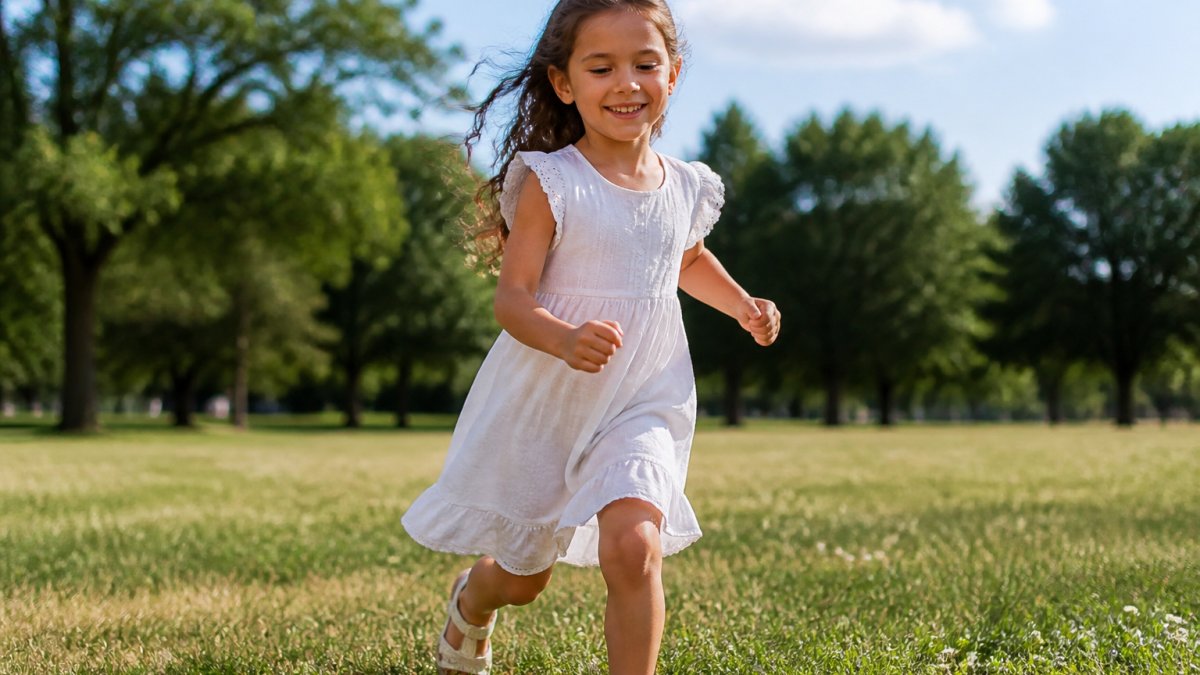
Children generate more body heat during active play and sweat more than adults, making proper airflow essential to prevent overheating. Breathable fabrics allow sweat to evaporate, let body heat escape, and prevent the trapped-moisture feeling that causes discomfort. In summer they keep kids cool; in winter they work with layers to trap warm air while allowing moisture to escape, making them essential year-round.
Best Breathable Fabrics for Kids: Natural Fibers vs. Synthetic Options
The best breathable fabrics for kids are natural fibers (cotton, linen, bamboo) and synthetic materials designed for breathability. Understanding their differences helps you choose the right fabric for your child's activity level, climate, and skin needs.
Natural fibers (cotton, linen, bamboo) naturally allow airflow and absorb moisture well. Synthetic fibers like polyester blends wick moisture and dry quickly, offering more durability but less breathability and softness.
Here's how they compare across the factors that matter most:
| Fiber Type | Breathability | Moisture Absorption | Drying Time | Durability | Best For | Care Notes |
|---|---|---|---|---|---|---|
| Cotton | Excellent | High (holds moisture) | Slow (4-6 hours air dry) | Moderate (softens with age) | Everyday wear, sensitive skin, sleep | Hot water can shrink; loses softness with fabric softener |
| Bamboo | Excellent | Very high (absorbs 3× more than cotton) | Moderate (2-4 hours air dry) | Moderate (pilling possible) | Warm weather, moisture control, eczema-prone skin | Gentle cycle recommended; avoid high heat |
| Linen | Excellent | Moderate (dries quickly) | Fast (1-2 hours air dry) | High (strengthens when wet) | Summer, outdoor play, hot climates | Wrinkles easily; cool water wash best |
| Polyester blend (50/50 cotton-poly) | Good | Moderate | Fast (1-2 hours machine dry) | High (resists pilling, holds shape) | Active play, sports, mixed-season wear | Machine washable; withstands frequent washing |
| 100% Polyester | Fair | Low (repels moisture) | Very fast (30-60 min) | Very high | Performance wear only | Not recommended for sensitive skin |
What these differences mean in practice:
Cotton breathes extremely well and feels soft, ideal for everyday wear and sensitive skin, but absorbs and holds sweat, leaving clothing damp after heavy play and taking longer to dry.
Bamboo absorbs up to three times more moisture than cotton while feeling dry to the touch, making it excellent for heavy sweaters and eczema-prone skin, though it costs 20-40% more and may pill with aggressive washing.
Linen breathes exceptionally well and dries faster than cotton, ideal for hot-weather play, but wrinkles significantly and requires multiple washes to soften.
Polyester blends (50% cotton, 50% polyester) balance breathability with performance: polyester wicks moisture and dries quickly while cotton provides softness. This durable blend is practical for active play and frequent washing.
100% polyester dries fastest but breathes poorly and traps moisture, causing irritation. Avoid for everyday wear or sensitive skin.
Choosing by activity and season:
- Everyday indoor wear and sleep: Pure cotton or bamboo for maximum softness and breathability.
- Warm-weather outdoor play: Linen or lightweight cotton for fast evaporation.
- Active sports and heavy sweating: Cotton-polyester blend (50/50 or 60/40 cotton) for quick-dry and durability.
- Sensitive skin or eczema: Bamboo or organic cotton; avoid synthetics unless blended with at least 70% natural fiber.
- Cool-weather layering: Cotton or cotton-blend base layers that wick moisture while allowing air circulation under heavier outer layers.
Cotton-polyester blends breathe well, last through tough play, and dry faster than pure cotton, making them practical for most families. For sensitive skin or outdoor heat exposure, pure bamboo or organic cotton pieces pay dividends in comfort and skin health.
Cotton vs. Polyester for Children's Clothing: What Parents Need to Know
Cotton and polyester represent two different approaches to children's clothing. Understanding the difference helps you choose what works best for your child.
Cotton is a natural fiber that breathes extremely well, pulls sweat away from skin, and feels soft and gentle, ideal for sensitive skin. The downside: it takes time to dry, wrinkles easily, and can shrink in hot water.
Polyester is synthetic with moderate breathability and excellent moisture-wicking, sweat moves away from skin and dries fast. It holds shape, resists wrinkles, and lasts through repeated washing, but doesn't feel as soft as cotton and may irritate sensitive skin.
A cotton-polyester blend offers cotton's breathability and softness with polyester's durability and quick-dry properties. For sensitive skin or everyday comfort, choose cotton; for active kids who sweat heavily, a polyester blend works better.
Best Fabric for Sensitive Skin in Children: Preventing Irritation and Rashes
Children with sensitive skin need special attention. The wrong fabric triggers rashes, redness, and itching. The right fabric prevents these problems.
Fabric irritation results from tight weaves that trap moisture, heavy synthetics that don't breathe, rough textures, and chemical finishes.
Best fabrics for sensitive skin: organic cotton, bamboo (naturally hypoallergenic), linen, and high-quality cotton blends (at least 70% cotton). The key is softness combined with breathability. Avoid rough, tightly woven synthetics, heavy chemical finishes, polyester-heavy blends, and stiff or scratchy fabrics.
Women Bamboo Fabric Cold Shoulder Tunic →
Use gentle detergent and cool water; avoid fabric softeners as they reduce breathability. For eczema or skin conditions, choose organic cotton or bamboo to minimize irritation and prevent scratching that disrupts sleep and play.
How to Choose Children's Clothing Fabric: A Practical Guide
Choosing the right fabric doesn't require expertise, but it does require knowing what to look for on a label and in your hands. Use this practical approach when shopping in-store or online.
Read the fiber content label: 80%+ cotton offers excellent breathability and softness for everyday wear and sensitive skin; 50-70% cotton with polyester balances breathability and durability for active play; below 50% natural fiber prioritizes durability over breathability; 100% synthetics breathe poorly unless labeled as performance fabrics. Organic cotton or bamboo is a plus for sensitive skin, though costlier.
Fabric structure matters as much as fiber content. Jersey knit is soft, stretchy, and breathes well. Lightweight cotton breathes better than heavyweight. Linen breathes exceptionally well and dries quickly. Twill is tightly woven and less breathable. Fleece is dense with poor breathability, use only for outer layers. Knits generally breathe better than woven fabrics.
Feel the fabric: soft fabrics breathe better than rough ones; light-permeable fabrics breathe well while opaque, dense ones don't; lightweight fabrics breathe better than heavy ones; flexible fabrics breathe better than stiff ones with chemical finishes. For sensitive skin, choose smooth, soft fabrics with no rough or scratchy texture.
Match fabric to use: everyday wear needs cotton or bamboo for softness; warm-weather play needs lightweight cotton, linen, or cotton-linen blend for fast evaporation; active sports need cotton-polyester blend (50/50 or 60/40) for moisture-wicking and breathability; cool-weather layering needs cotton or cotton-blend base layers; sleep needs bamboo or organic cotton to prevent overheating and irritation.
Adjust fabric choice by skin sensitivity: healthy skin allows flexibility with cotton, bamboo, linen, and blends; sensitive skin needs 80%+ natural fiber, preferably organic cotton or bamboo; eczema requires organic cotton or bamboo washed in cool water with gentle detergent and no fabric softeners.
Layer with breathable fabrics to keep children comfortable across seasons: base layer (lightweight cotton or bamboo) wicks moisture; mid layer (cotton-blend sweater or lightweight fleece) traps warm air; outer layer (breathable jacket) blocks wind and water.
Quick checklist: 50%+ natural fiber? Weave or knit type listed? Soft and flexible? Light passes through? Matches intended use? Appropriate for skin sensitivity? If yes to most, the fabric will breathe well. Start with quality natural fibers for everyday wear, add performance blends for active play, and adjust based on your child's comfort and skin health.
Care and Durability: Making Breathable Fabrics Last
Breathable fabrics last longer when you care for them properly. The right washing and storage methods preserve softness and breathability.
Washing: Use cool or warm water, not hot. Hot water damages natural fibers and can cause shrinking. Wash with gentle detergent. Avoid fabric softeners, they coat fabric and reduce breathability. This is especially important for moisture-wicking fabrics.
Drying: Air dry when possible. Machine drying on low heat works for most fabrics. High heat damages fibers and reduces breathability. Remove from the dryer while slightly damp to prevent over-drying.
Storage: Fold instead of hanging to prevent stretching. Store in a cool, dry place. Avoid plastic bags, they trap moisture. Cotton breathes storage too.
Stain treatment: Act fast. Fresh stains come out easier. Use cold water first, hot water sets stains. For tough stains, pre-soak in cool water with gentle detergent.
Breathable fabrics are durable when treated right. Cotton lasts for years. Bamboo maintains softness through many washes. Polyester blends resist wear from active play.
The investment in quality breathable fabrics pays off. A well-made cotton or bamboo garment outlasts cheap synthetics. Your child stays comfortable. The fabric stays soft and breathable wash after wash.
Keeping your child comfortable starts with the right fabric choice. Breathable fabrics allow airflow, manage moisture, and prevent overheating. They protect sensitive skin. They work across seasons and activities.
When you're ready to shop, Hot Possessions & Glitter Girls offers a wide selection of breathable clothing for girls ages 2-14. Our collection includes lightweight bamboo fabrics designed for active play. With free shipping on orders over $150 and our first order discount of 10% with code GET10, building a wardrobe of breathable, comfortable pieces is easy. Shop our collection today and see why breathable fabrics matter for children, your child's comfort and skin health will thank you.
Frequently Asked Questions
Is 100% cotton breathable for babies?
Yes, 100% cotton is highly breathable and one of the most recommended fabrics for babies. Cotton allows air circulation, absorbs moisture from skin, and helps prevent overheating. It's gentle on delicate skin and reduces the risk of rashes and irritation. Many parents choose organic cotton for added softness and purity, though conventional cotton also offers excellent breathability for everyday wear and sleep.
What is the best fabric for children who sweat easily?
Bamboo fabric is ideal for children who sweat easily. This material excels at moisture wicking, pulling sweat away from skin and allowing it to evaporate quickly. Bamboo fabric is particularly effective because it absorbs up to three times more moisture than cotton while remaining lightweight. Avoid heavy synthetics like polyester alone, as they trap heat and moisture, making active play uncomfortable.
Do breathable fabrics help prevent skin irritation in children?
Breathable fabrics significantly reduce skin irritation by maintaining proper air circulation and managing moisture. When fabrics trap sweat and heat, children's skin becomes irritated, leading to rashes and eczema flare-ups. Natural, breathable materials like cotton, bamboo, and linen allow skin to stay dry and cool, reducing friction and bacterial growth. This is especially important for children with sensitive skin or conditions like eczema.
How can you tell if a fabric is breathable when shopping?
Check the fabric composition on the care label, natural fibers like cotton, bamboo, and linen are inherently breathable. Look for lightweight fabrics with a loose weave, which allow better air circulation than dense, tightly woven materials. Run your fingers across the fabric to feel if it's soft and not plasticky. Avoid heavy synthetics or tightly packed blends. When buying online, read product descriptions for mentions of breathability, moisture-wicking, or airflow properties.