




Table of Contents
- Why Daily Fashion Arrivals Matter for Your Wardrobe
- Understanding the Retail Replenishment Cycle
- Track New Inventory with These Proven Methods
- How to Use Social Media to Find New Clothing
- What Is Popular in Women's Fashion Right Now
- Best Practices for Tracking Fashion Trends Without the Noise
- Spotting Quality Staples vs. Fast Fashion in Fresh Arrivals
- Conclusion: Build a System for Spotting Fashion Arrivals
- Frequently Asked Questions
Last Updated: September 7, 2026
Why Daily Fashion Arrivals Matter for Your Wardrobe
Finding how to identify fresh daily fashion arrivals is the difference between wearing last season's styles and building a wardrobe that feels current. The fashion cycle moves quickly, and by the time a style hits your social feed, the best pieces are often already gone.
At Hot Possessions & Glitter Girls, we add new on-trend styles every single day, which means we understand the mechanics of spotting what is genuinely fresh versus what is simply being re-promoted. Understanding retail inventory flow helps you shop smarter, avoid settling for picked-over selections, and grab versatile pieces while sizes are still fully stocked.
Below, we'll show you how to track new inventory, use digital tools, and tell the difference between a quality staple and a disposable fast-fashion piece.
Understanding the Retail Replenishment Cycle
Most shoppers treat a store's inventory as static, but it is a dynamic system driven by logistics and merchandising. Understanding this system is the most powerful tool for predicting when fresh fashion arrivals will hit the floor.
The Two-Phase Inventory Flow
Retail inventory moves in two phases: the initial buy and the replenishment buy. The initial buy is committed months in advance based on forecasts and past sales; it is the bulk of what you see on a new-arrivals page. The replenishment buy is a smaller, faster order placed after initial stock starts selling.
Replenishment is not automatic. A merchant decides whether an item is a 'core' style reordered continuously or a 'fashion' style bought in a limited run. Core styles, like a classic white button-down, are reordered for months. Fashion styles, like a specific printed blouse, are often bought in a single batch and rarely restocked, as the retailer has moved budget to the next trend.
The Weekly Drop Pattern
Most mid-sized and larger retailers operate on a weekly or bi-weekly delivery schedule. Distribution centers consolidate shipments to save on freight costs, and stores are staffed to process deliveries on specific days. New merchandise often arrives at the warehouse Monday or Tuesday and goes live online by Wednesday or Thursday, which is why a Friday check reveals a different selection than Monday.
Daily-drop boutiques buy closer to the season, often from domestic wholesalers who ship small quantities quickly. This lets them test a style and reorder immediately if it sells. A daily-drop site showing the same items for two weeks is likely not getting genuine new inventory.
How to Use This Logic to Predict Arrivals
Once you understand the two-phase flow, you can predict arrivals. If a new-arrivals page updates on a predictable day, check it that morning. If a style is a core item, wait for a restock; if it is a limited fashion piece, act quickly or move on.
The 'backorder' option is another signal (shopify.com). It means the retailer has placed a replenishment order with the factory. The estimated ship date is a window into the supply chain; a date more than two weeks out indicates the item is made to order.
The Markdown Cycle as a Reverse Signal
Pay attention to the markdown cycle. A markdown often means the initial buy underperformed and the retailer is clearing space for the next delivery. A sudden wave of markdowns on a category, say, all summer dresses, signals that fall merchandise is about to arrive, so check the new-arrivals page more frequently.
Track New Inventory with These Proven Methods
The most reliable way to identify fresh stock is to use the digital tools retailers provide. A consistent tracking routine takes about ten minutes a day. While bookmarking and emails are the baseline, the most effective shoppers use technical tools that automate change detection.

Bookmark the New Arrivals Page
Every serious online boutique organizes its newest merchandise on a dedicated page, often labeled "New Arrivals" or "Just In." Bookmark this page directly instead of the homepage, since the homepage typically features bestsellers and curated collections rather than the freshest stock. Make it a habit to check this page at the same time each day. Many retailers, including Hot Possessions & Glitter Girls, upload new styles daily, so a quick morning scan keeps you informed about fresh fashion arrivals before popular sizes sell through.
Set Up Automated Page Monitoring with RSS and Alerts
Bookmarking is passive. To make the process active, use tools that watch the page. Many e-commerce platforms, including Shopify and WooCommerce, automatically generate an RSS feed for product collections. Add this feed to a reader like Feedly or Inoreader; when the retailer adds a new product, the feed updates. Look for an orange RSS icon or try adding /products.rss to the store's URL.
For sites without RSS, Google Alerts is a useful fallback. Set up an alert for a phrase like "[Brand Name] new arrivals" or "[Brand Name] just dropped." Google will email you when it finds new pages containing that phrase, catching blog posts, press releases, and social announcements.
Use Visual Change-Detection Browser Extensions
RSS and Alerts do not tell you when a product page changes, like when a sold-out size becomes available. For this, use a visual change-detection extension like Distill.io or Visualping. Set it to check the page every few hours; when the page changes, for example, a button changes from 'Sold Out' to 'Add to Cart', it sends you a notification with a screenshot.
This is the most effective method for catching restocks of high-demand items. It removes the need to refresh manually and gives you a time-stamped record of inventory changes, helping you learn the retailer's restock schedule.
Use Restock Alerts and Email Notifications
When an item is sold out in your size, sign up for restock alerts so the retailer notifies you the moment inventory replenishes. Email notifications serve the same purpose for broader updates, alerting you to upcoming drops and limited runs. Subscriber perks often include early access, letting you shop a new drop hours before it appears on social media.
Build a Simple Tracking Spreadsheet
Finally, keep a simple spreadsheet listing the items you are waiting for, their URLs, and the dates they appeared and sold out. When you get a restock notification, you can see the gap. Over time, patterns emerge, some retailers restock in 10 days, others take 30. This historical data tells you not just if an item will return, but when.
How to Use Social Media to Find New Clothing
Social media platforms are primary channels for announcing new inventory, often before websites are fully updated. Following a brand's Instagram or TikTok gives you a real-time view of what just arrived.
Look for posts showing new pieces styled or modeled; these often include direct links to shop, and the comment section reveals which styles are generating buzz. Street style photos and editorial content also offer clues about gaining trends.
Influencers play a significant role in trend spotting. When multiple creators style similar items within a short window, that signals a new trend entering the mainstream. Checking the brand's tagged photos shows how real customers style pieces, helping you judge fit and versatility.
What Is Popular in Women's Fashion Right Now
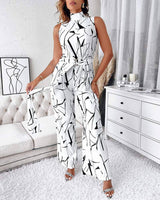
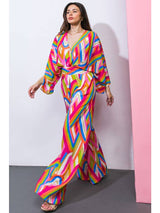
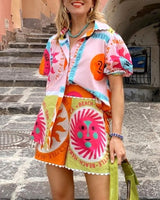
Current trends lean toward versatile pieces that transition from casual daytime wear to evening occasions. Rompers and jumpsuits remain strong contenders because they offer a complete outfit in a single garment, and the latest palettes feature both soft neutrals and bold statement shades.
Fabric composition matters more than ever. Shoppers want a bit of stretch for comfort, breathable natural fibers for warmer months, and textures that elevate a simple silhouette. The most popular styles balance comfort with a polished look.
Designer pieces influence fast fashion, but the savvy shopper looks for the interpretation, not the copy. A quality version of a trending style uses better fabric and construction while still capturing the current aesthetic.
Best Practices for Tracking Fashion Trends Without the Noise
Trend forecasting can feel overwhelming when bombarded with new styles daily. The best practices involve filtering out the constant stream and focusing only on what aligns with your personal style.
Follow a small number of trusted sources rather than dozens of accounts. A mix of one or two fashion magazines, a handful of boutiques whose taste you admire, and a few stylists whose advice you respect gives you enough signal without the clutter. According to the National Retail Federation's insights on consumer demand, retailers that respond quickly to trend data and consumer demand are better positioned to keep their merchandise fresh and relevant.
Trend forecasting services and fashion news outlets publish seasonal reports outlining upcoming palettes and silhouettes. Reading one or two per season helps you understand what is coming, while your daily new-arrivals check tells you what has arrived.
Spotting Quality Staples vs. Fast Fashion in Fresh Arrivals
A common mistake is assuming everything labeled "new" is worth buying. Fresh arrivals include both quality staples and fast fashion pieces, and learning to tell them apart protects your wardrobe and budget.
Start by examining the fabric composition in the product description. Natural fibers like cotton, linen, and wool generally hold up better than purely synthetic blends. Check stitching details in product photos, especially along seams and hems; loose threads and uneven stitching signal poor construction.
Fast fashion is designed for a short lifespan, often lasting only a few washes before fading or losing shape. Quality staples, by contrast, are built to survive repeated wear. The Federal Trade Commission's guidance on textile labeling requires accurate fiber content disclosure, so you can reliably compare materials across different retailers.
When you find a piece that combines a current trend with quality construction, that is a wardrobe staple worth investing in. These pieces form the foundation of a versatile closet.
| Shopping Method | Best For | Time Commitment | Key Advantage |
|---|---|---|---|
| New Arrivals Page | Daily fresh stock | 5-10 minutes daily | First access to drops |
| Restock Alerts | Sold-out favorites | One-time setup | Automatic notification |
| Email Newsletters | Early access and perks | Weekly review | Shop before the public |
| Social Media | Trend spotting | 10-15 minutes daily | See styles in real time |
Conclusion: Build a System for Spotting Fashion Arrivals
Building a system for spotting fresh fashion arrivals takes the guesswork out of shopping. By understanding the retail replenishment cycle, bookmarking new arrivals pages, using restock alerts, and following the right social accounts, you position yourself to find the best pieces before they sell out.
The challenge is consistency. Checking in daily takes less time than scrolling social media, and the payoff is a wardrobe that always feels current. At Hot Possessions & Glitter Girls, we make this easy with new on-trend styles added every day across our collection of over 4,000 apparel items, from dresses and rompers to jumpsuits and signature bling tees. Our flexible payment options and free shipping on orders over $99.00 mean you can refresh your wardrobe without the stress. Get started with Hot Possessions & Glitter Girls and build a system for spotting fashion arrivals that actually works for you.
Frequently Asked Questions
How often do online boutiques typically update their inventory with new fashion arrivals?
Many online boutiques, including Hot Possessions & Glitter Girls, add fresh fashion arrivals daily. This constant flow means what you see today might be gone tomorrow. To stay ahead, check the dedicated new arrivals section on the site each morning or sign up for email alerts. This cadence ensures you have first pick of limited-run pieces before they sell out.
How can I track new clothing arrivals at my favorite boutiques?
The most direct way to track new clothing arrivals is to use the tools the store provides. Bookmark the new arrivals page and check it regularly. Turn on restock alerts for items you missed. Subscribe to the store's newsletter for early access to collection drops and subscriber perks. Following the boutique on social media is another effective method, as they often post style updates and sneak peeks.
How do I distinguish between fast fashion and high-quality new arrivals?
Look beyond the style and examine the fabric composition and construction. High-quality staples often use natural fibers like cotton, linen, or wool, and have secure stitching and lining. Fast fashion pieces may rely on synthetic blends that pill or lose shape quickly. Check the care label; if a piece requires delicate care, it is often made with better materials. Also, focus on the design details and finish, which indicate how well the garment will hold up over time.
What is the best way to identify fresh fashion arrivals that fit my personal style?
Start by identifying your wardrobe staples and the colors that flatter you most. When browsing new fashion arrivals, filter for those specific silhouettes and color palettes. This prevents impulse buys that don't mix well with what you already own. Also, pay attention to the trends that keep appearing across multiple stores you trust, as this signals a lasting seasonal shift rather than a one-off piece.