




Table of Contents
- Understanding Plus Size Definitions and Size Ranges
- How to Measure Your Body for Clothing Size
- Understanding Garment Measurements vs Body Measurements
- How to Read and Interpret Size Charts
- Why Sizing Varies Between Manufacturers
- Tips for Buying Plus Size Clothes Online
- The Importance of Fit and Comfort in Plus Size Fashion
- Conclusion
Last Updated: August 19, 2026
Understanding Plus Size Definitions and Size Ranges
Plus size fashion typically begins at size 14 and extends through 32 and beyond, though the exact definition varies by retailer, fit model, and regional standards. Today, many retailers view plus size as a distinct category with its own grading standards, patterns, and construction methods. A size 16 at one brand may fit completely differently than a size 16 at another because different manufacturers use different fit models and garment patterns.
Size ranges typically break down into categories: missy sizing (sizes 0-12), plus sizing (sizes 14-28), and extended sizing (sizes 30+). Some brands combine these into a single size range, while others keep them separate. Hot Possessions & Glitter Girls offers a wide selection of apparel across multiple size ranges, recognizing that fit consistency matters regardless of size.
How to Measure Your Body for Clothing Size
Accurate body measurements are the foundation of finding clothes that fit well. Taking your own measurements takes about five minutes and eliminates most guesswork when shopping online or switching brands.
Key Measurements: Bust, Waist, Hip, and Inseam
Four core measurements determine how most clothing will fit:
Bust measurement is taken around the fullest part of your chest, typically at the nipple line. Wear a standard, unpadded bra for consistency. The tape should sit flat but not compress your skin.
Waist measurement is taken at your natural waist, the narrowest part of your torso, usually about an inch above your belly button. Find where your body naturally cinches when you bend side to side.
Hip measurement is taken around the fullest part of your hips and buttocks, usually about 7-9 inches below your waist. This measurement is critical for pants, skirts, and fitted dresses.
Inseam is the length from your inner thigh down to your ankle. This measurement ensures pants hit at the right length.
Using a Measurement Tape Correctly
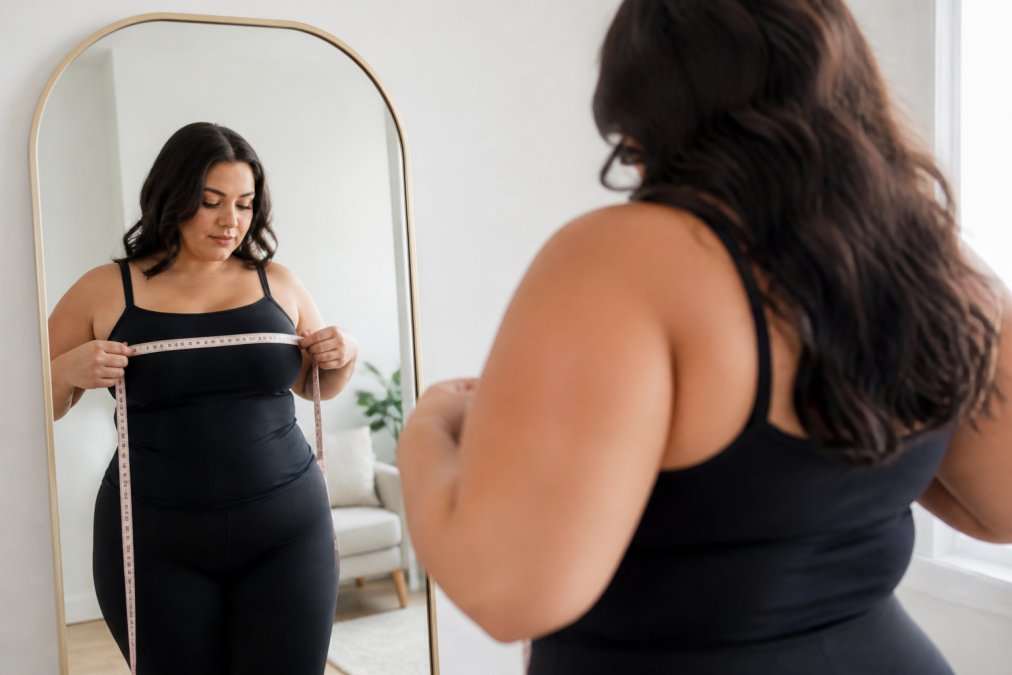
A soft, flexible measuring tape is essential. When measuring, wear minimal clothing, a fitted tank top or sports bra is ideal. Stand in front of a mirror so you can see that the tape is positioned correctly. The tape should be snug but not tight; you should be able to slip one finger under it comfortably.
Take each measurement twice to verify consistency and write your numbers down immediately. Many shoppers keep a note on their phone with their measurements for easy reference while browsing online.
Understanding Garment Measurements vs Body Measurements
Your body measurements and garment measurements are not the same thing. A garment measurement is the actual dimension of the finished clothing item, which includes ease, the extra room built in for comfort and movement.
Ease varies by garment type. A fitted dress might have 2 inches of ease built in, while a loose-fitting shirt might have 4-6 inches. This is why the same size can feel drastically different depending on the style.
Vanity sizing also plays a role. Some brands intentionally size their garments larger than their labeled size suggests. When shopping online, always check the garment measurements listed on the product page and compare those to your body measurements plus your preferred ease.
How to Read and Interpret Size Charts
A size chart is a retailer's promise about how their garments are constructed. Every size chart should list garment measurements (not body measurements) for each size, including bust, waist, hip, and length.
Start by finding your body measurements on the chart. If your bust is 42 inches, look for the size where the garment's bust measurement is 42-44 inches (depending on how much ease you prefer). Don't match your measurement to the size number; match it to the garment measurement.
Straight Sizing vs Extended Sizing
Straight sizing means the brand uses the same fit model and pattern grading across all sizes. A size 16 is simply a scaled-up version of a size 14. This approach often creates fit issues for plus size shoppers, because bodies don't scale proportionally.
Extended sizing uses different fit models and pattern grading for plus sizes. A size 20 might have a shorter rise, wider hip circumference relative to the waist, and different armhole placement than a size 12. Hot Possessions & Glitter Girls offers a wide selection of apparel across multiple size ranges, recognizing that fit consistency matters regardless of size.
Size Conversion Charts and International Sizing
If you're shopping from international brands, understanding size conversion is essential. A size 16 in the United States is not the same as a size 16 in the United Kingdom, Europe, or Australia.
| US Size | UK Size | EU Size | Australia |
|---|---|---|---|
| 14 | 18 | 42 | 16 |
| 16 | 20 | 44 | 18 |
| 18 | 22 | 46 | 20 |
| 20 | 24 | 48 | 22 |
| 22 | 26 | 50 | 24 |
However, these conversions are approximations. The only reliable way to shop internationally is to compare your body measurements to the garment measurements listed on that brand's size chart.
Why Sizing Varies Between Manufacturers
Standardized sizing doesn't exist in fashion. Each manufacturer develops their own sizing standards based on their target customer, fit philosophy, and production methods.
Vanity Sizing and Size Grading Standards
Vanity sizing is the practice of labeling garments with smaller sizes than they actually measure. Size grading is the mathematical system a brand uses to scale patterns up and down across sizes. Different brands use different grading standards, some grade uniformly, others grade proportionally, and some use hybrid systems.
A brand's grading decisions affect how their entire size range fits. If a brand grades aggressively at the hip but conservatively at the waist, someone with a pear-shaped body will find their sizes fit better than someone with an apple-shaped body.
Fabric Composition and Stretch Factor
The fabric a garment is made from dramatically affects how it fits. Spandex adds stretch and recovery, allowing a garment to fit a wider range of body types. A dress with 5% spandex will have some give, while a dress with 10% spandex will be even more forgiving.
Natural fibers like cotton, linen, and silk have little to no stretch and require more precise sizing and grading to fit well. Weight and drape also matter, a heavy, structured fabric masks body shape, while a light, flowy fabric emphasizes it.
Tips for Buying Plus Size Clothes Online
Online shopping for plus size fashion requires knowing what information to gather before you buy.
Checking Size Chart Accuracy Before Purchase
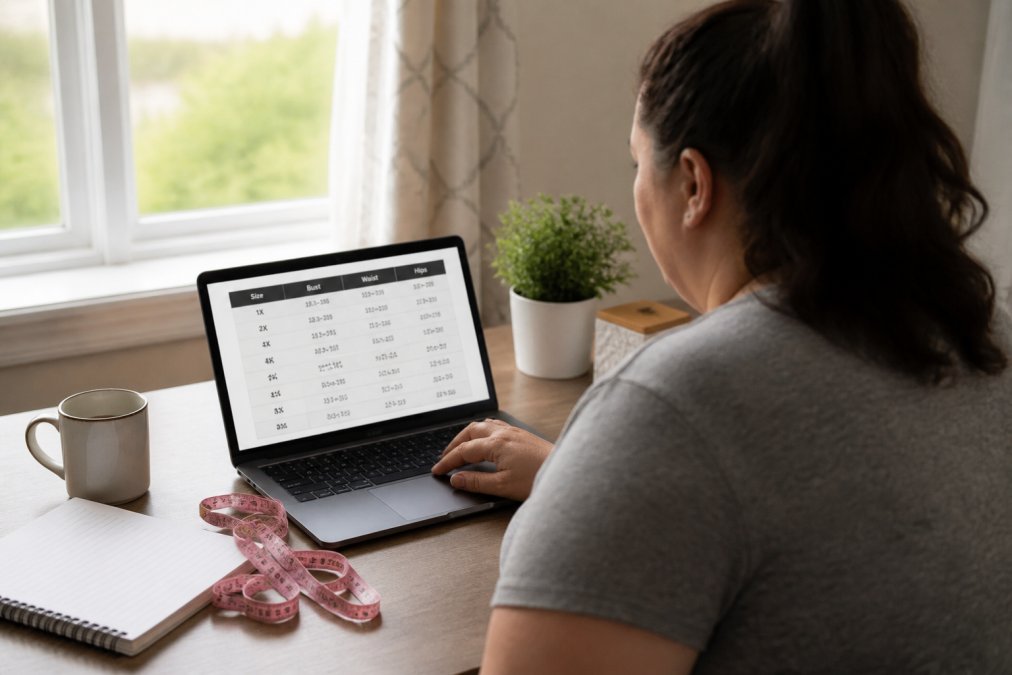
Before adding anything to your cart, pull up the size chart and compare the garment measurements to your body measurements. If the chart is missing or vague, contact customer service and ask for specific measurements.
Look for size charts that include multiple measurements, not just a single size number. Charts that include photos of the garment on a fit model at different sizes are even better, as they show how the style drapes and where it hits on the body.
Reviewing Product Photos and Customer Fit Feedback
Product photos should show the garment on a fit model wearing the actual size you're considering. Read customer reviews specifically for fit feedback like "runs small" or "generous in the hip." Pay attention to reviews from customers with body types similar to yours.
Understanding Return Policies and Fit Guarantees
Before buying, understand the retailer's return policy. Can you return items if they don't fit? How long do you have?
Hot Possessions & Glitter Girls ships in 1-2 days and offers flexible payment options, ensuring you can stay stylish with ease.
The Importance of Fit and Comfort in Plus Size Fashion
Fit is not a luxury; it's the foundation of looking and feeling good in your clothes. A garment that fits well makes you look polished and put-together. A garment that doesn't fit undermines everything else you're doing.
Comfort is equally important. If a dress pulls across the hip or gaps at the waist, you'll spend all day adjusting it. The right fit also makes clothing last longer, garments that fit properly experience less stress on seams and fabric.
Shopping with intention, taking measurements, checking size charts, and reading reviews takes more time than grabbing something off a shelf. But it results in a wardrobe that actually works for you. Hot Possessions & Glitter Girls simplifies this process with detailed product information and fast shipping, so you can order with confidence and return without hassle if needed.
Finding clothing that fits well is one of the most empowering decisions a plus size shopper can make. When you understand how to measure yourself, read size charts, and evaluate fit, you stop relying on luck and start making informed choices. Hot Possessions & Glitter Girls simplifies this process with over 4,000 apparel items, detailed size charts, and flexible payment options including Afterpay and Klarna. Start exploring their collection today with code GET10 for 10% off your first order, and discover how the right fit transforms your entire wardrobe.
Consider these stylish options for your wardrobe:
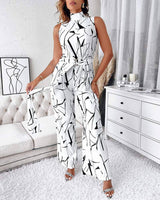
- Womens Jumpsuit Abstract Design: Designed with plus size women in mind, this jumpsuit features an abstract design and sculpted fit to provide a flattering silhouette. Enjoy the comfort and style. HOTPOSSESSIONS.COM
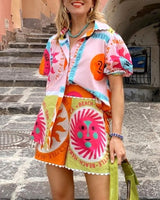
- Women Romper: This Women's Plus Size Tie Dye Romper is the perfect addition to your wardrobe. Featuring a belted waist, this romper is comfy and stylish with its contemporary design. HOTPOSSESSIONS.COM
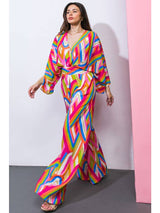
- Women Designer Print Jumpsuit: This fashionable Women's Jumpsuit features a distinctive Versace-type print that will make a statement. It fits plus-sizes and is designed to flatter. HOTPOSSESSIONS.COM
- Women Romper Printed Bells Sleeves: This Women Romper Printed Bells Sleeves is the perfect combination of style and comfort. Featuring a Versace Type print, you can rely on this romper to make a statement. HOTPOSSESSIONS.COM
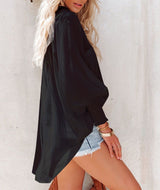
- Women Hoodie Pullover: This Women Hoodie Pullover is designed with a cool, trend-forward distressed look. With its comfortable fit and unique styling, this hoodie will keep you cozy and fashionable. HOTPOSSESSIONS.COM
Frequently Asked Questions
How do I accurately measure myself for plus size clothing?
Use a soft, flexible measurement tape and wear fitted (not tight) clothing. Measure your bust at the fullest point, waist at the narrowest part, and hips at the widest point. Keep the tape snug but not compressing your skin. Measure your inseam from your inner thigh to your ankle while standing barefoot. Write down all measurements in inches and compare them against the brand's size chart before ordering. Remeasure every 6-12 months as body measurements can shift.


What is the difference between plus size and extended sizing?
Plus size typically starts at size 14 and goes up to 28W or higher, with grading patterns designed specifically for fuller figures. Extended sizing refers to larger versions of standard straight-size patterns, sometimes scaled up proportionally without the same fit adjustments. Extended sizing can feel less balanced on plus-size bodies because the proportions don't account for curves. True plus-size grading adjusts sleeve length, waist placement, and bodice depth to flatter fuller body types, while extended sizing simply enlarges everything equally.
Why do clothing sizes vary so much between manufacturers?
Vanity sizing, different fit models, and varying production standards cause size inconsistency. One brand's size 16 may fit differently than another's because each uses its own size grading scale. Fabric composition also affects fit, stretchy materials fit differently than rigid ones. Manufacturing location, target market, and design philosophy all influence sizing. This is why reading individual size charts and checking customer reviews is critical rather than assuming your size is consistent across all brands.
What should I look for in a brand's size chart to ensure it's accurate?
Look for detailed measurements in inches (bust, waist, hip, length, inseam) rather than vague size names. Check if the brand provides fit model photos showing how garments actually drape on bodies similar to yours. Read customer reviews mentioning whether items ran true to size, small, or large. Verify the brand offers a clear return policy so you can order confidently. Brands that update size charts regularly and respond to fit questions typically maintain more accurate sizing than those with generic, unchanged charts.
How can I tell if a brand truly offers inclusive sizing?
True inclusive sizing means consistent fit across the entire size range, not just offering larger sizes. Check if the brand uses proper plus-size grading (adjusted proportions for curves) rather than just scaling up straight sizes. Look for size-inclusive design language, brands should celebrate size diversity without marketing it as a special feature. Review whether the brand offers the same styles in all sizes and uses fit models of different body types in photos. Genuine inclusivity shows in product availability, fit consistency, and respectful representation rather than marketing language alone.
What is vanity sizing and how does it affect my plus size shopping?
Vanity sizing is when brands label garments with smaller size numbers than their actual measurements to make customers feel smaller. A size 16 might measure like a traditional size 18. This creates confusion when shopping because you can't rely on size alone, you must check actual measurements. Vanity sizing is common across the industry and affects both straight and plus sizes. Always compare your body measurements to the garment's measurements on the size chart rather than trusting the size label. This prevents ordering items that don't fit despite showing your usual size.
How does fabric composition affect fit in plus size clothing?
Natural fabrics like cotton and linen hold their shape but don't stretch, while blends with spandex or elastane provide comfort and accommodate movement. A 95% cotton jumpsuit will fit more snugly than a 85% cotton, 15% spandex version in the same size. Heavier fabrics drape differently than lightweight ones, affecting how garments skim or cling to curves. When shopping, check the fiber content and ask how much stretch the fabric offers. Fabric composition directly impacts whether a garment will feel comfortable and flattering on your body, so it's as important as the actual measurements.
This article was written using GrandRanker