





Table of Contents
- The Real Risks of Buying Clothes Online (And How Common They Are)
- How to Check If a Shopping Website Is Legit
- How to Protect Your Payment Info When You Buy Clothes Online
- Getting the Right Fit: Sizing Charts, Measurement Guides, and Virtual Try-On
- How to Return Clothes Bought Online Without the Headache
- Customer Reviews, Social Proof, and Spotting Fake Feedback
- Sustainable and Ethical Shopping: Verifying What Brands Actually Claim
- Online vs. In-Store Clothes Shopping: Where Each One Wins
Last Updated: August 16, 2026
Buying clothes online is one of the most common e-commerce activities in the United States, yet many shoppers hesitate after bad experiences with wrong sizing, shady websites, or packages that never arrived. At Hot Possessions & Glitter Girls, we hear these concerns every day. The good news: the risks are real but manageable, and knowing what to watch for puts you firmly in control. Below, we break down every major concern, from payment security to return logistics, so you can buy clothes online with zero anxiety.
The Real Risks of Buying Clothes Online (And How Common They Are)
Online clothing shopping carries distinct risks that differ from buying electronics or household goods. Fit is unpredictable, product photos can mislead, and counterfeit goods flood certain marketplaces.
The most common problems shoppers encounter include sizing mismatches, photo manipulation, counterfeit goods, payment fraud, and non-delivery. According to the Federal Trade Commission consumer protection guidance, online shopping fraud consistently ranks among the top reported consumer complaints each year. The biggest mistake most shoppers make is rushing, finding a cute dress, falling for the price, and clicking "buy" without checking whether the site is legitimate. Two minutes of verification dramatically reduces your exposure.
How to Check If a Shopping Website Is Legit
Verifying e-commerce legitimacy before you purchase is the single most important habit you can build as an online shopper. A legitimate website will have a clear physical address, working contact information, a transparent return policy, and verifiable social proof.
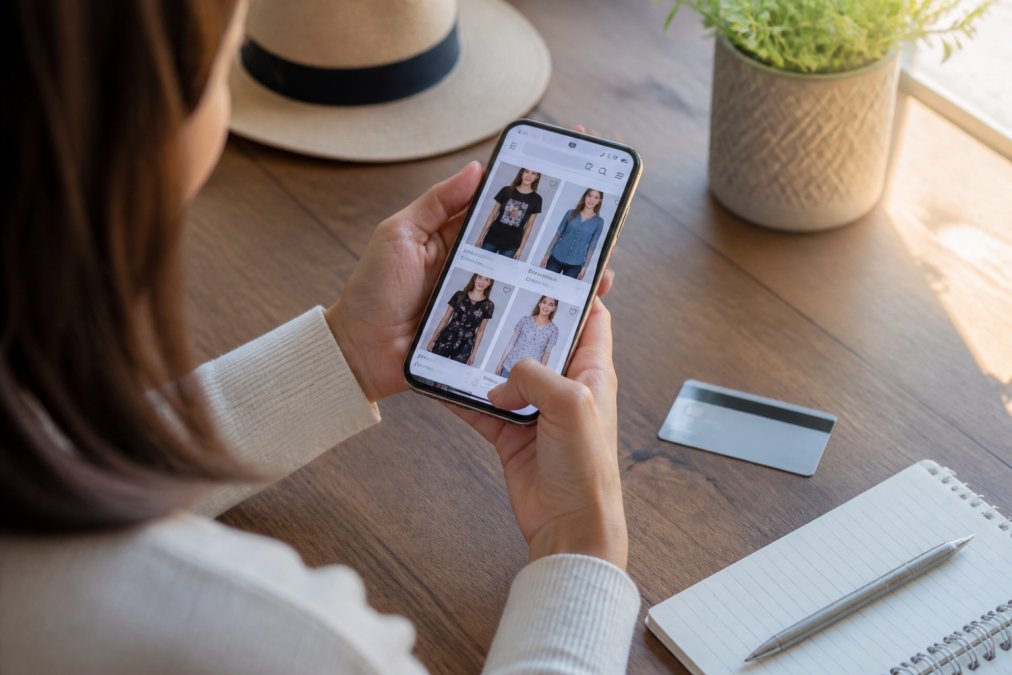
Here is a quick verification checklist before you buy:
-
Does the URL start with
https://? (the "s" signals SSL encryption is active) - Is there a padlock icon in the browser address bar?
- Can you find a real street address and phone number?
- Does the "About Us" page read like a real business, not generic filler text?
- Are there genuine customer reviews on third-party platforms?
- Does the return policy exist and make sense?
- Is the social media presence active and consistent with the brand?
Look for SSL Encryption and Secure Checkout Signals
Secure Socket Layer (SSL) encryption is a security protocol that encrypts data transmitted between your browser and the website's server. Any site asking for payment information without SSL active is a red flag.
SSL is visible in two ways: the https:// prefix in the URL and the padlock icon in your browser's address bar. Clicking the padlock shows you the site's security certificate details. A valid, current certificate from a recognized authority is a strong signal of a legitimate retailer. If a site asks you to pay by wire transfer, gift card, or cryptocurrency, leave immediately, those payment methods offer no consumer protection.
Verify Brand Authenticity and Retailer Reputation
Search the store name plus "reviews" and "complaints" in your browser. Check the Better Business Bureau and whether the brand has an active social media presence with real customer interactions. For brand authenticity, verify that the retailer is listed on the brand's official website as an authorized seller. Counterfeit operations use slightly misspelled domain names to pass as legitimate.
How to Protect Your Payment Info When You Buy Clothes Online
Transaction security is not something you should leave to chance. Your digital footprint from a single compromised transaction can lead to credit card fraud, identity theft, and months of dispute resolution headaches. Never give a website more information than it needs to complete your purchase.
Safe Payment Methods and What to Avoid
The safest payment methods for online clothing purchases, ranked by consumer protection strength:
| Payment Method | Fraud Protection | Dispute Process | Recommended? |
|---|---|---|---|
| Credit card | Strong (Fair Credit Billing Act) | Chargeback available | Yes |
| PayPal / digital wallets | Strong | Buyer protection program | Yes |
| Debit card | Moderate | Slower dispute process | Use with caution |
| Buy Now Pay Later (Afterpay, Klarna) | Varies by provider | Dispute through provider | Yes, with reputable retailers |
| Wire transfer / gift card | None | No recourse | Never |
Credit cards offer the strongest protection under the Fair Credit Billing Act guidance from the Consumer Financial Protection Bureau. If a charge is fraudulent or a product never arrives, you can dispute it and the card issuer is required to investigate.
Buy Now Pay Later options like Afterpay and Klarna are legitimate payment gateways used by established retailers. If you return an item purchased through one of these services, the provider pauses or cancels remaining payments while the return is processed. Always confirm the retailer's return policy before using BNPL.
Two-factor authentication on your shopping accounts adds another layer of protection. Enable it wherever the option exists.
Getting the Right Fit: Sizing Charts, Measurement Guides, and Virtual Try-On
Fit is the number one reason people return clothes bought online, and it is almost entirely preventable with the right preparation. Every legitimate online retailer publishes a sizing chart. The mistake most shoppers make is skipping it and ordering their "usual" size. Sizing varies significantly between brands and styles.
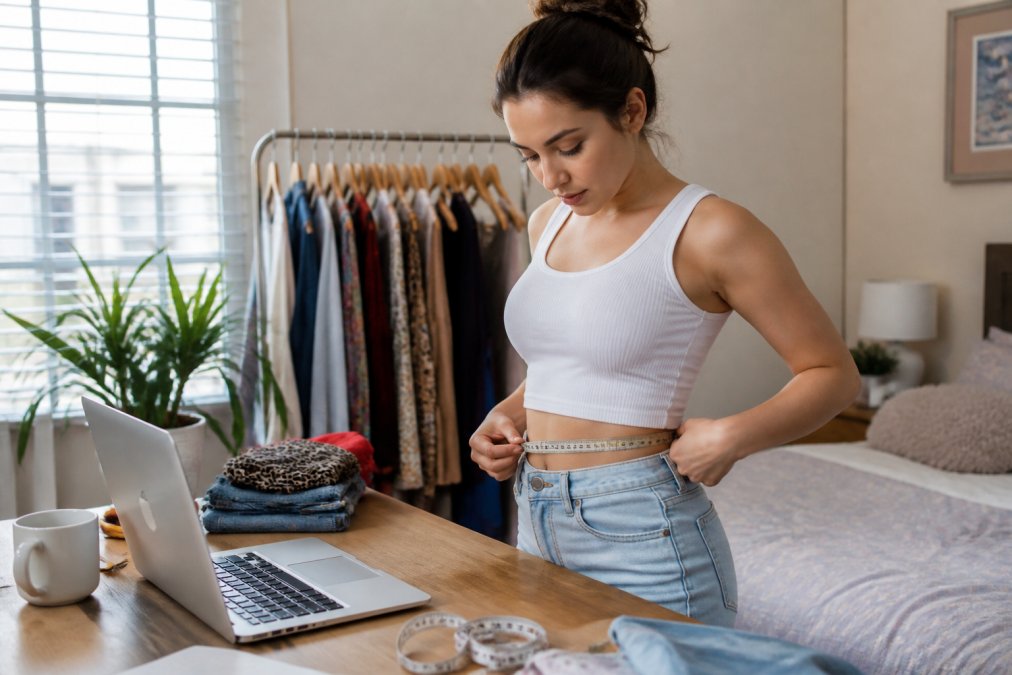
Here is how to use a measurement guide correctly:
- Measure your bust, waist, and hips with a fabric tape measure
- Measure in form-fitting clothing or underwear for accuracy
- Compare your measurements to the retailer's specific size chart
- When you fall between sizes, check the product description for fit guidance
- For plus sizes, look for brands that provide separate plus-size charts with adjusted proportions
Virtual try-on technology is an increasingly practical tool that reduces sizing guesswork. Some retailers now offer augmented reality features that overlay garments onto your photo or a model with your measurements. For plus-size shopping, check customer reviews specifically from shoppers in your size range for the most honest feedback.
How to Return Clothes Bought Online Without the Headache
A clear return policy is one of the clearest signals of a legitimate retailer. Before you purchase, read the return policy for these specific details:
- Return window, how many days do you have?
- Condition requirements, tags on, unworn, original packaging?
- Who pays return shipping, you or the retailer?
- Refund method, original payment method, store credit, or exchange only?
- Processing time, how long until your refund appears?
The refund process for most legitimate retailers takes between five and fifteen business days after the return is received.
What to Do When a Return Gets Complicated
Shipping logistics occasionally go wrong even with legitimate retailers. Document everything. Take a photo of the item before you ship it back and use tracked return shipping. If the return window is closing without confirmation, contact the retailer in writing.
If a retailer refuses a legitimate return, your next step is a dispute through your payment method. Credit card chargebacks and PayPal disputes are designed for this situation. For BNPL services, contact the provider directly.
Customer Reviews, Social Proof, and Spotting Fake Feedback
Social proof is one of the most powerful tools for evaluating an online clothing retailer, and one of the most easily manipulated. Genuine reviews tend to be specific, mention actual items, describe fit and fabric quality, and sometimes include photos. Fake reviews are vague, uniformly positive, and often posted in clusters.
Warning signs of fake or manipulated reviews include all five-star ratings with no three- or four-star reviews, identical phrasing across multiple products, no photos from real customers, and sudden influxes of reviews around product launches. Third-party review platforms provide stronger social proof than on-site reviews alone. According to FTC guidelines on endorsements and testimonials, businesses are required to disclose when reviews are incentivized. Hot Possessions & Glitter Girls makes customer photos and reviews a central part of the shopping experience, so you can see how items actually look on real people before you order.
Sustainable and Ethical Shopping: Verifying What Brands Actually Claim
"Sustainable," "eco-friendly," and "ethically made" are claims that appear far more often than they are substantiated. Greenwashing is widespread in the fashion industry.
Concrete ways to verify brand claims include looking for third-party certifications like OEKO-TEX and Fair Trade USA rather than self-reported labels, checking supply chain transparency to see if the brand names their manufacturers, reading fabric composition carefully (organic cotton and recycled materials should be specified), and searching for the brand in sustainability databases.
"Made in America" claims carry specific legal requirements. The FTC's Made in USA standard guidance requires that products claiming to be "Made in USA" be "all or virtually all" made in the United States.
Online vs. In-Store Clothes Shopping: Where Each One Wins
Neither format is universally better. Each has genuine advantages depending on what you are buying.
| Factor | Online Shopping | In-Store Shopping |
|---|---|---|
| Selection | Vastly larger (thousands of items) | Limited to floor inventory |
| Fit certainty | Lower without try-on | High (try before you buy) |
| Price comparison | Easy across multiple retailers | Difficult |
| Convenience | Shop anytime, delivered to door | Requires travel and time |
| Impulse returns | Higher rate | Lower rate |
| Fabric quality check | Dependent on product descriptions and reviews | Immediate tactile assessment |
| New arrivals access | Instant (daily updates possible) | Restocking cycles |
Online shopping wins decisively on selection, price transparency, and convenience. Hot Possessions & Glitter Girls carries over 4,000 apparel items with new styles added daily. In-store shopping wins on immediate fit certainty and fabric quality assessment. The practical approach most experienced online shoppers use is to buy online for styles you know fit you well from a brand you trust, and reserve in-store visits for categories where fit is highly variable.
Shopping online for clothes is genuinely safe when you know what to look for and what to avoid. The risks are real, but they follow predictable patterns that informed shoppers can sidestep every time. Hot Possessions & Glitter Girls is built for shoppers who want that confidence: over 4,000 on-trend items, transparent sizing resources, flexible payment options including Afterpay and Klarna, and free shipping on qualifying orders. Get started with Hot Possessions & Glitter Girls and shop a collection that is updated daily, backed by real customer reviews, and designed to get the right fit to your door fast.
Frequently Asked Questions
What are the signs of a fake clothing website?
Red flags include prices that seem unrealistically low, no physical address or customer service contact, spelling errors throughout the site, and no verifiable customer reviews. Check that the URL starts with "https" and look for a padlock icon. If the site lacks a clear return policy or has no social media presence with real engagement, treat it with caution. Searching the site name alongside the word "scam" or "reviews" often surfaces complaints quickly.
How can I protect my credit card information when shopping for clothes online?
Use a credit card rather than a debit card, federal consumer protection rules give you stronger dispute rights for unauthorized charges. Check that the checkout page uses SSL encryption (look for "https" in the URL). Avoid shopping on public Wi-Fi without a VPN. Enable two-factor authentication on any account you create, and consider using a virtual card number through your bank for added transaction security. Never save payment details on a site you haven't used before.
What should I look for in a clothing store's return policy?
Confirm the return window (30 days is standard), whether returns are free or require you to pay shipping, and what condition items must be in. Check whether the refund goes back to your original payment method or only as store credit. If you used a buy-now-pay-later service like Afterpay or Klarna, contact that provider directly once a return is confirmed, most will pause or cancel remaining installments once the retailer processes the refund.
Is it better to buy clothes in store or online?
Each has clear advantages. In-store lets you check fabric quality and try items on immediately. Online gives you access to far more styles, size options, and honest customer reviews with real photos. The gap narrows when an online retailer provides detailed sizing charts, a measurement guide, and a straightforward return policy. Virtual try-on tools are also improving the fit guessing game. For shoppers who know their measurements and have read verified reviews, buying clothes online is consistently safe and practical.
This article was written using GrandRanker