





Table of Contents
- Do Plus Size Clothes Run True to Size? The Short Answer
- How Pattern Grading and Construction Differ in Plus Size Apparel
- How to Measure for Plus Size Clothing Accurately
- Plus Size Clothing Size Chart Guide: Reading and Using Charts Effectively
- Why Sizing Varies Between Manufacturers and Brands
- Tips for Buying Plus Size Clothes Online Without Fit Surprises
- The Psychology of Vanity Sizing and Size Labels
- Conclusion
Last Updated: August 27, 2026
Do Plus Size Clothes Run True to Size? The Short Answer
The honest answer: not always. When shopping for plus size clothes, sizing varies dramatically between manufacturers and even within the same brand's different product lines. The pattern is clear, vanity sizing, inconsistent pattern grading, and mass production tolerances mean that a 2X from one brand might fit completely differently than a 2X from another.
The real issue isn't that plus size clothes run small or large across the board. It's that sizing standards in the apparel industry lack consistency. Straight size manufacturers often extend their patterns upward without properly adjusting proportions for different body measurements. Understanding how pattern grading works, learning to measure your body accurately, and knowing how to read size charts will save you time and money.
How Pattern Grading and Construction Differ in Plus Size Apparel
Pattern grading is the process of increasing or decreasing a garment's size while maintaining its proportions and silhouette. Many manufacturers use a "slash and spread" method that simply enlarges the straight size pattern without adjusting for the different proportions that typically exist between sizes.
The core problem: a person who wears a 2X doesn't just wear a straight size scaled up uniformly. Hip-to-waist ratios differ. Arm length relative to torso length differs. Shoulder width proportions shift. When manufacturers ignore these differences and just grade up a pattern mechanically, you end up with garments that fit strangely, sleeves that are too short, armholes that sit wrong, or waistlines that don't align properly.
Quality manufacturers invest in proper fit models across the full size range and understand that extended sizing requires different seam allowances, dart placements, and sometimes entirely different construction methods. This is why plus size clothes run true to size at some brands and not others.
The stretch fabric composition also matters significantly. A garment made with 5% spandex behaves differently than one with 15% spandex (peer-reviewed research). Many plus size garments use higher spandex percentages specifically to accommodate fit inconsistencies, which masks poor pattern grading but creates other problems like faster deterioration and loss of shape after washing (the FTC).
How to Measure for Plus Size Clothing Accurately
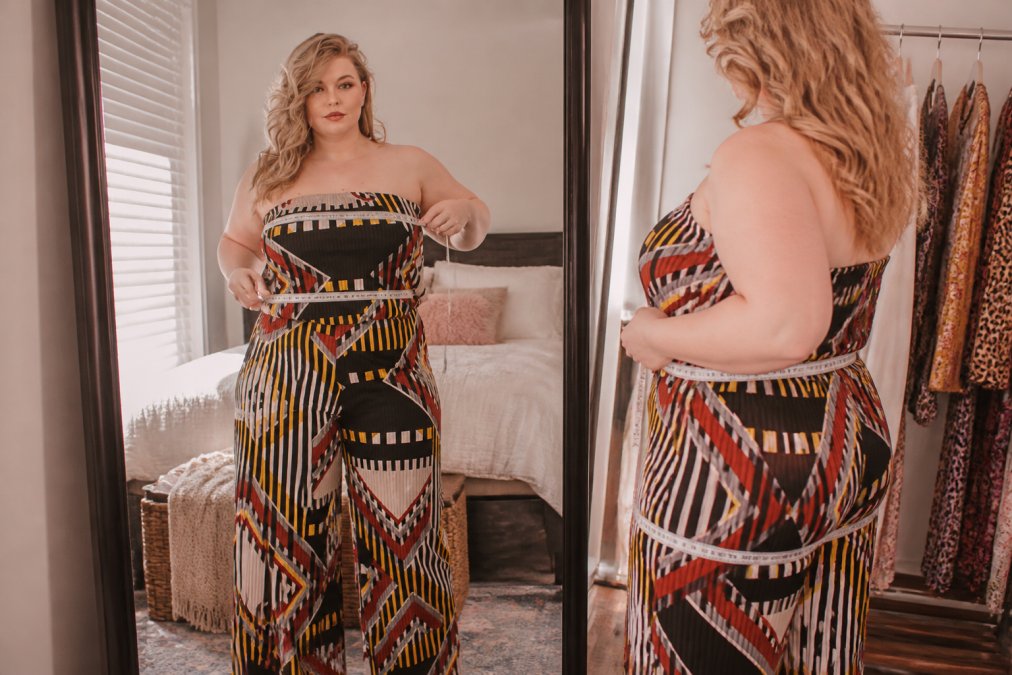
Getting accurate body measurements is the single most important step in finding clothes that fit. Most people measure themselves incorrectly, which leads to ordering the wrong size even when the size chart is accurate.
Start with a soft measurement tape and wear minimal clothing, ideally just undergarments. Measurements should be snug but not tight; the tape should rest against your skin without compressing it.
Measure these key points:
Bust circumference: Measure around the fullest part of your chest. Keep the tape parallel to the ground and don't pull it tight.
Waist: Measure around your natural waistline, typically the narrowest part of your torso. Find where you naturally bend to the side; that's your waistline.
Hip circumference: Measure around the fullest part of your hips, typically 7-9 inches below your waistline. This is critical for pants, skirts, and fitted dresses.
Inseam: For pants and jumpsuits, measure from your inner thigh down to your ankle in bare feet or the shoes you'll wear with the garment.
Rise: For pants and plus size clothes that sit on your hips, measure from your waistline down to where you want the crotch seam to sit.
Write these measurements down and keep them handy when shopping. Size labels are marketing tools, not physical constants, your measurements are what actually matter.
Plus Size Clothing Size Chart Guide: Reading and Using Charts Effectively
A size chart is only useful if you know how to read it. Look at your measurements and find which size matches those measurements in the chart, rather than ordering based on your usual size.
Take your bust, waist, and hip measurements. Find the size chart for the specific item you're buying. Locate your measurements in the chart. One brand might list a 2X as 44-46" bust, 36-38" waist, and 46-48" hips. Another brand lists their 2X as 42-44" bust, 34-36" waist, and 44-46" hips. Those are completely different size ranges for the same label.
Pay attention to fit model information if the brand provides it. If the fit model is 5'10" and you're 5'4", expect different proportions in sleeve length and rise.
Manufacturing tolerance typically allows for a 1-2 inch variation in finished garment measurements (astm.org). Understanding this helps you accept minor variations without assuming you ordered the wrong size.
Plus size clothing size charts should include measurements for the full garment, not just the body measurements the size is designed for. Look for finished chest width, finished length, sleeve length, and rise.
Why Sizing Varies Between Manufacturers and Brands
The apparel industry has no universal sizing standard. Each brand sets its own sizing specifications, which means plus size clothes run differently depending on where they're made and who made them.
Vanity sizing is the practice of labeling garments with smaller sizes than their actual measurements would suggest. A garment that measures 44" across the chest might be labeled a 1X instead of a 2X because brands know customers respond to smaller-looking sizes. This means comparing size labels between brands is almost useless, you must compare actual measurements.
Manufacturing location affects sizing significantly. Garments made in different countries follow different measurement standards and quality control processes. A dress made in Vietnam might have different proportions than an identical style made in India.
Fabric sourcing creates variation too. If a brand sources fabric from different suppliers for different production runs, the fabric stretch, recovery, and weight will differ. A garment that fit perfectly in one run might fit completely differently in the next batch.
The size range a brand offers also influences individual size fit. Brands that offer sizes 0-3X often use different pattern blocks than brands offering XS-5X. A 2X in a limited-range brand might fit very differently than a 2X in a full-spectrum brand because the grading was built around different endpoints.
Hot Possessions & Glitter Girls addresses this directly by providing detailed fit information for every item.
Tips for Buying Plus Size Clothes Online Without Fit Surprises
Online shopping for plus size clothing requires strategy. These tactics significantly reduce fit disappointment.
Read customer reviews specifically for fit feedback. Don't just look at star ratings, read the text reviews. Customers will tell you if something runs small, if the rise is awkward, or if the fabric is thinner than expected. Look for patterns.
Check the return policy before buying. A generous return window and free returns matter enormously when fit is uncertain.
Request detailed product photos. Many retailers provide photos of the garment on different body types and angles. These show you how the silhouette actually drapes and where seams sit.
Order in multiple sizes if possible. If you're uncertain between a 1X and a 2X, ordering both and returning one eliminates guesswork.
Pay attention to fabric composition. A cotton-spandex blend behaves differently than a polyester-spandex blend. Knit fabrics fit differently than woven fabrics.
Look for size conversion information. Some retailers provide conversion guides showing how your usual size in one brand translates to their sizing.
Measure the garment itself if possible. Some retailers provide flat lay measurements of the finished garment, chest width, length, sleeve length, which are more useful than size labels.
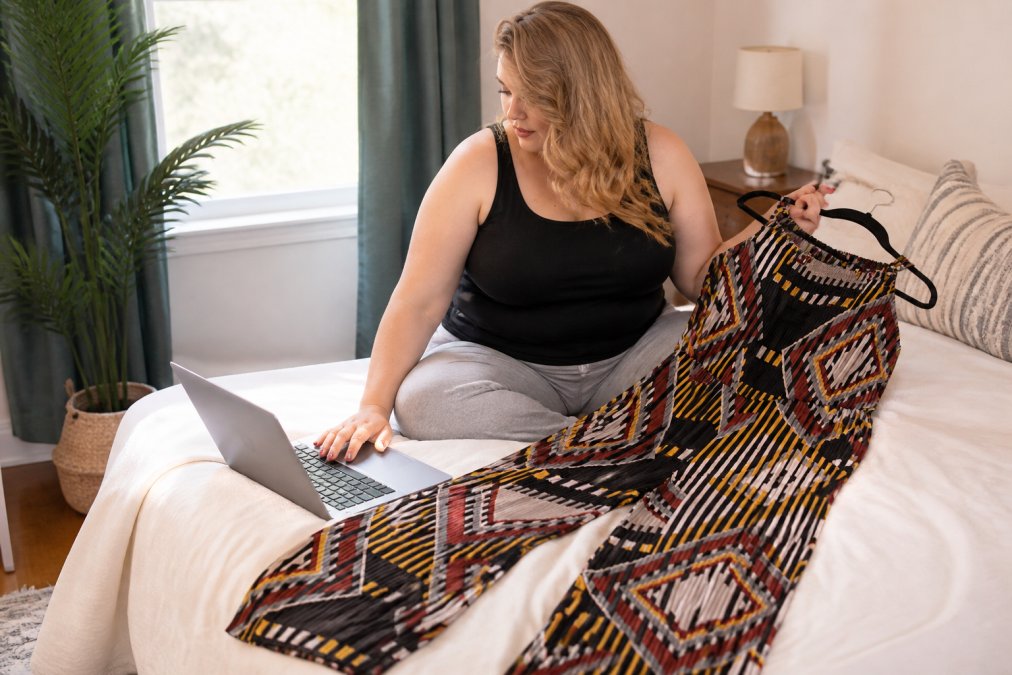
At Hot Possessions & Glitter Girls, we ship in 1-2 days and offer free shipping on orders over $99.00. Our jumpsuits and rompers come with detailed size charts.
The Psychology of Vanity Sizing and Size Labels
Size labels are psychological tools, not objective measurements. A customer who wears a size 14 straight size might feel better about themselves if that same body wears a 1X in plus size. Brands know this and use it strategically.
Vanity sizing creates a false sense of consistency. You think you're a 2X, so you order a 2X everywhere. But if every brand is using vanity sizing differently, your 2X from Brand A is completely different from your 2X from Brand B. This is why so many online shoppers feel confused about their "actual" size.
Understanding vanity sizing helps you stop taking size labels personally. A size 3X isn't "bigger" than a size 2X in any meaningful way, it's just a different label that different brands use inconsistently. Your body hasn't changed; the labeling system is arbitrary.
Conclusion
Finding plus size clothes that run true to size requires moving beyond size labels and understanding how the apparel industry actually works. Pattern grading inconsistencies, vanity sizing, and manufacturing variations mean that "true to size" is relative, it's true only within a specific brand's sizing system.
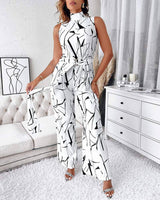
The solution is straightforward: measure your body accurately, check detailed size charts before ordering, read customer reviews for fit feedback, and shop with retailers that prioritize sizing transparency. Hot Possessions & Glitter Girls makes this easier with our detailed fit information, fast shipping, and flexible payment options including Afterpay and Klarna. Our plus size jumpsuits and rompers are designed with proper pattern grading and come with comprehensive size guides so you know exactly what to expect. Start with our Womens Jumpsuit Abstract Design or explore our full collection of plus size apparel, all with clear sizing information. Use code GET10 for 10% off your first order.

Frequently Asked Questions
Is a plus-size 12 the same as a regular 12?
No. A plus-size 12 is cut with different proportions than a straight size 12. Plus size garments account for a higher hip-to-waist ratio and include more seam allowance in the bust and hip areas. The rise is often deeper, and armholes are wider. While the size number may be the same, the pattern grading and fit model used are entirely different, which is why sizing varies so much between straight size and extended sizing options.
How do I measure myself accurately for plus-size clothing?
Use a soft measurement tape and wear fitted (not baggy) clothes. Measure your bust at the fullest point, your waist at its natural narrowest, and your hips at the widest point around your hip bones. Stand straight, keep the tape snug but not tight, and take each measurement twice to confirm. Write down all three numbers and compare them to the brand's size chart before ordering. Many fit issues happen because measurements were taken incorrectly or compared to the wrong size chart.
Why does sizing vary so much between different clothing brands?
Each manufacturer uses its own fit model and size tolerance standards. There is no standardized sizing in the apparel industry, so a 2X from one brand may fit very differently than a 2X from another. Fabric composition also affects fit: stretch fabrics allow for tighter patterns, while rigid fabrics require more ease. Mass production also means slight variations between batches. This is why checking individual brand size charts and reading customer reviews about fit consistency is essential before purchasing.
What's the difference between straight sizing and plus sizing?
Straight size typically runs from XS to XL, while extended sizing (plus size) begins at 1X and goes upward. The key difference is pattern grading: plus size garments add extra fabric to the bust, waist, and hip circumference, but they also adjust sleeve length, rise, and armhole depth to maintain proper proportions. Plus size isn't just 'straight size made bigger', it's a different pattern designed for different body measurements and silhouette expectations.
This article was written using GrandRanker