





Table of Contents
- What Makes a Fashion Boutique Truly Size-Inclusive
- Quick Comparison: Inclusive Sizing Boutique Picks
- How to Measure Yourself for Clothing (Do This Before You Buy)
- Your Fashion Sizing Guide: Reading Size Charts Like a Pro
- Tips for Buying Plus Size Clothes Online
- Building a Capsule Wardrobe Around Your Silhouette
- Conclusion
- Frequently Asked Questions
Last Updated: September 17, 2026
What Makes a Fashion Boutique Truly Size-Inclusive
Size inclusivity in fashion means offering extended sizing that fits real bodies consistently, not just adding a few larger sizes to a rack. At Hot Possessions & Glitter Girls, we've built our inventory around that principle, with over 4,000 apparel items spanning women's, juniors, and girls' fits. The best inclusive sizing fashion boutiques go further than a wide size range.
Fit Consistency and Size Equity
Size equity means every customer gets the same quality of fit, regardless of where they fall on the size chart. A boutique that nails this publishes garment measurements, not just body measurements, so shoppers can compare against clothes they already own.
Inclusive Design Beyond Extended Sizing
Inclusive design goes past size range into silhouette, proportion, and adjustability. A halter tie, an elastic waistband, or a stretch fabric panel can make one garment work across several sizes without looking like a compromise.
Quick Comparison: Inclusive Sizing Boutique Picks
Shopping for inclusive sizing works best when you match the garment type to your body and occasion. Here's how our top picks break down across fit, fabric, and price.
| Style | Price | Fit Feature | Best For |
|---|---|---|---|
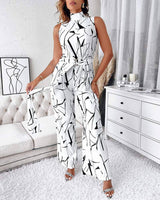
| Designer Print Jumpsuit | $28.00 | Plus size, stretch fabric | Special occasions |
| Floral Print Jumpsuit | $26.00 | True to size, belted waist | Everyday wear |
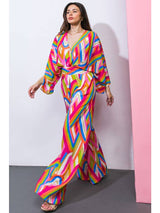
| Multi Animal Print Jumpsuit | $26.00 | Stretch fabric, neck tie | Statement looks |
| Hoodie Pullover | $24.00 | Plus size, soft fabric | Casual layering |
| Off The Shoulder Set | $21.00 | Two-piece, flare leg | Social occasions |
| Animal Print Romper | $24.00 | Halter tie, junior fit | Warm-weather casual |
| Junior Cold Shoulder Romper | $19.00 | Adjustable straps | Teens, casual events |
How to Measure Yourself for Clothing (Do This Before You Buy)
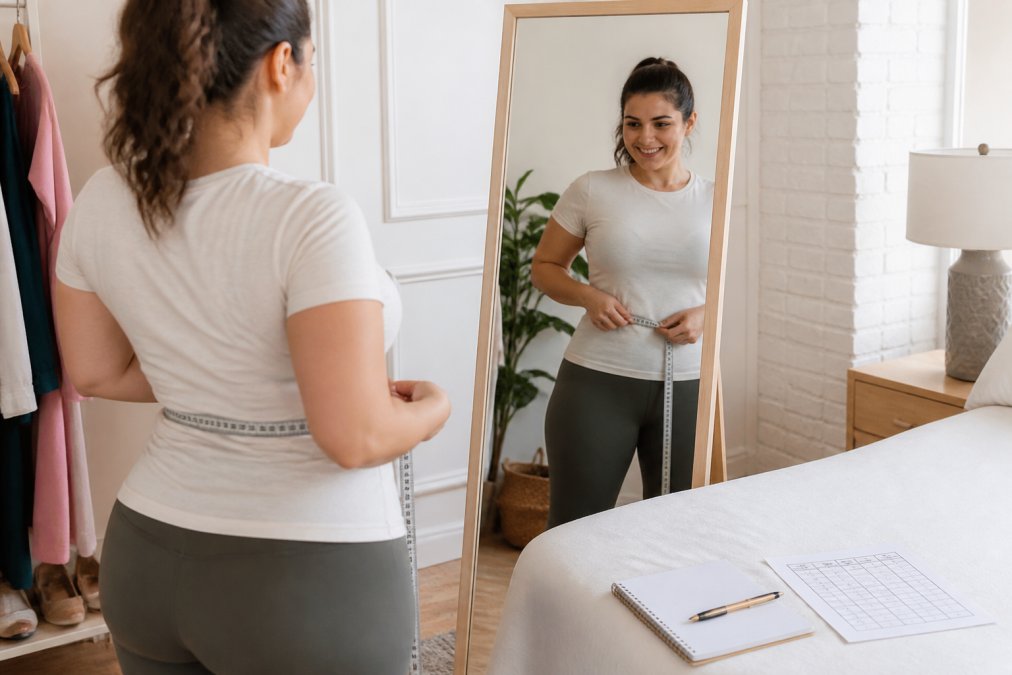
Accurate measurements are the single biggest defense against online sizing surprises. Take your measurements over light clothing, keep the tape snug but not tight, and write everything down before you start browsing.

The Four Measurements That Matter
Most size charts are built around four numbers. Get these right and you'll match the right size far more often.
- Bust: Measure around the fullest part, keeping the tape level.
- Waist: Measure at your natural waistline, usually the narrowest point.
- Hips: Measure around the fullest part of your hips and seat.
- Inseam: Measure from crotch to ankle for pants and jumpsuits.
Your Fashion Sizing Guide: Reading Size Charts Like a Pro
A fashion sizing guide is only as good as the chart behind it, so read the chart before you read the product photos. Start by comparing your measurements to the brand's chart, then check whether the chart lists body measurements or garment measurements. They are not the same thing.
Women's, Junior, and Plus Scales Are Not Interchangeable
The single most common sizing mistake online is treating a junior size and a women's size as the same number. They are not. Junior sizing is cut narrower through the waist and hip and is generally scaled for a shorter torso, so a shopper who wears a women's medium often needs a junior large or extra-large. Plus-size scales are drafted from a different block entirely, fuller through the bust, waist, and upper arm, so a 1XL in one boutique can fit like a 2XL in another.
How to Read a Size Chart Step by Step
- Find your governing measurement. For tops and dresses, that is usually the bust. For pants, jumpsuits, and rompers, it is the hip. Match that number first, then check the secondary measurement.
- Compare against the chart, not the size name. If your hip measures 44 inches and the chart's 1XL is listed at 43-45 inches, that is your size, regardless of what you wear elsewhere.
- Check the fabric column. A chart that notes "stretch" or "relaxed fit" gives you room to size down; a rigid woven fabric does not.
- Look for a "runs small" or "runs large" flag. Boutiques that test their own garments usually call this out.
- Cross-check one review. A shopper who lists her height, weight, and usual size gives you a real-world reference the chart alone cannot.
Watch for these chart details:
- Whether sizes run in women's, junior, or plus-size scales
- Whether the chart notes stretch or relaxed fit
- Whether measurements are listed in inches or centimeters
- Whether the brand flags styles that run small or large
Fabric Composition Changes the Number You Should Order
- High-stretch knits (think elastane blended into cotton or polyester, often 3-8% of the fabric content) can stretch several inches across the body and recover. In these, you can usually order your true measured size or even size down for a closer fit.
- Rigid wovens, denim with no elastane, structured cotton, most lined dresses, have almost no give. Here, exact measurements matter, and sizing up is safer than sizing down.
- Two-way vs. four-way stretch. Two-way stretch moves in one direction (usually horizontally); four-way stretch moves both ways. Four-way stretch is far more forgiving across the hip and seat.
- Bias-cut and knit panels. A garment cut on the bias drapes and stretches diagonally, which flatters curves but can also relax over a long day of wear.
When a chart is unclear, customer reviews often fill the gap. Shoppers who mention their height, weight, and usual size give you a real-world reference point the chart alone can't provide.
Tips for Buying Plus Size Clothes Online
Buying plus size clothes online comes down to managing risk: fit risk, fabric risk, and return risk. The more you know before checkout, the fewer surprises after delivery.
- Read the fabric composition before the size. Stretch percentage changes how a garment fits.
- Check the return window and who pays return shipping.
- Look for adjustable features like ties, elastic waists, and straps.
- Order one size in two adjacent sizes when you're between sizes, if returns are free.
Return Policy Transparency: The Question Most Guides Skip
Return logistics are the hidden cost of shopping extended sizes online, and almost no boutique listicle addresses them head-on. A return that costs $7 to $10 in shipping can erase the savings on a $25 garment, so the return policy is part of the price.
Women Designer Print Jumpsuit →
Before you buy, answer these five questions:
- How long is the window? Common windows run 14, 21, or 30 days from delivery. A 14-day window is tight if you order multiple sizes and need to try them on.
- Who pays return shipping? Some boutiques issue a prepaid label; others deduct the cost from your refund or require you to ship at your own expense.
- Is there a restocking fee? A restocking fee of 10-20% is uncommon but real, and it changes the math on a multi-size order.
- What condition is required? Tags attached, unworn, and unwashed is standard. Some boutiques also refuse returns on intimates, swimwear, and final-sale items.
- Refund or store credit? A store-credit-only policy locks your money into the same boutique, which matters if the fit problem was the boutique's sizing, not your choice.
Shipping Costs and Delivery Windows for Extended Sizes
Shipping is the second half of the return-risk equation. A few patterns worth checking:
- Free-shipping thresholds. Many boutiques set a minimum order (often $50-$99) before shipping is free. If you are ordering one garment to test a new brand, you may pay shipping both ways.
- Flat-rate vs. weight-based shipping. Flat-rate is predictable; weight-based can surprise you on heavier items like denim or coats.
- Processing time vs. transit time. "Ships in 1-2 days" describes processing, not delivery. Add transit time on top when you are shopping for a specific date.
- Carrier and tracking. A boutique that provides tracking and a carrier name is easier to hold accountable if a package goes missing.
Fabric Stretch and Return Policies
Fabric composition decides how forgiving a garment is. Stretch fabric, like the material in our Designer Print Jumpsuit and Multi Animal Print Jumpsuit, moves with the body and tolerates a slightly imperfect size match. Rigid woven fabrics have no give, so exact measurements matter more.

Building a Capsule Wardrobe Around Your Silhouette
A capsule wardrobe built around your silhouette solves most fit problems before they start. Instead of chasing trends piece by piece, you build a small set of garments that already work for your proportions.
For curvy silhouettes, prioritize:
- Belted or defined waists to create shape, like our Floral Print Jumpsuit with its belted waist.
- Stretch fabrics for comfort and a forgiving fit.
- Versatile two-piece sets that mix with pieces you already own, like our Off The Shoulder Set.
- Adjustable details such as halter ties and straps.
Conclusion
Online shopping still carries fit risk, and no size chart can eliminate it entirely. The fix is choosing boutiques that publish honest measurements, use stretch and adjustable design, and stand behind their return policies.
Frequently Asked Questions
What defines a truly size-inclusive fashion boutique?
A size-inclusive boutique offers a broad size range with consistent fit across every style, not just a few extended sizes tacked onto a standard line. Look for detailed size charts, body diversity in product photos, and clear measurement guides. Inclusive design and customer reviews from shoppers across sizes matter more than a marketing label. The best inclusive sizing fashion boutiques publish real garment measurements and stand behind their sizing with fair return policies.
How do I determine my correct size when shopping at new boutiques?
Start by taking fresh body measurements with a soft tape: bust, waist, and hips. Compare those numbers to the boutique's specific size chart, not your usual size at another retailer. If you fall between sizes, check the fabric content. Stretch fabrics forgive a half-inch difference; woven fabrics do not. Reading customer reviews that mention fit helps too, especially from shoppers with similar measurements.
What tips for buying plus size clothes online actually reduce returns?
Check the size chart before the product photo, read the fabric composition, and look for stretch percentage. Order from boutiques with transparent return policies and free or low-cost shipping. Take your measurements right before ordering since bodies change. When reviews mention sizing up or down, follow that guidance. Buying plus size clothes online works best when you treat the size chart as the primary spec, not the model's appearance.
Are there online boutiques that cater to both women and girls with inclusive sizing?
Yes. Some boutiques carry coordinated collections across women's, junior, and girls' departments, which makes family shopping simpler. When evaluating one, confirm that each department has its own accurate size chart, since junior and girls' sizing follows different standards than women's. A boutique with over 4,000 items across multiple departments is more likely to have a size range that covers everyone in your household.
Why is size inclusivity important in the modern fashion industry?
Size inclusivity matters because ready-to-wear clothing should fit real bodies, not the other way around. When boutiques publish accurate measurement guides and offer extended sizing, shoppers waste less money on returns and feel represented. Consumer feedback has pushed the fashion industry toward size equity, and brands that respond with inclusive design build lasting trust. It is both a business decision and a service to body diversity.