





Table of Contents
- What American Made Apparel Really Means for Your Wardrobe
- The Benefits of Domestic Clothing Manufacturing
- Quality Differences Between Imported and Domestic Apparel
- How to Identify Ethically Made Clothing
- The Impact of Trade Agreements on Domestic Apparel
- Care and Maintenance of High-Quality Domestic Textiles
- Frequently Asked Questions
Last Updated: September 16, 2026
What American Made Apparel Really Means for Your Wardrobe
Choosing why choose american made women apparel comes down to what you value: garments made under domestic labor and environmental rules, with supply chain transparency imported fast fashion rarely offers. This guide from Hot Possessions & Glitter Girls breaks down the quality, cost, and ethical differences.
American made apparel is clothing manufactured within the United States, from cutting and sewing to finishing, under domestic manufacturing standards and labor law. It is not simply "designed here" or "assembled here", a garment can carry a domestic brand name while every stitch happens overseas.

That gap between marketing and reality is where most shoppers get burned. Below, we'll show you how to read a label, compare cost-per-wear, and vet a brand.
The Benefits of Domestic Clothing Manufacturing
The benefits of domestic clothing manufacturing extend beyond patriotism: shorter supply chains, clearer accountability, and garments built to last more than a season. Production close to home also lets brands respond faster to quality issues.

Supporting Local Jobs and the Economy
Every domestic cut-and-sew operation supports local jobs that cannot be outsourced overnight. Money spent on domestically produced apparel recirculates locally, funding wages, suppliers, and small textile businesses.
For shoppers, that means safer working conditions and enforceable fair wages, a supply chain you can trace.
Environmental Impact and Sustainability
Domestic manufacturing shortens the distance between factory and warehouse, lowering transport emissions, and falls under environmental rules easier to enforce than those governing overseas production.
Quality Differences Between Imported and Domestic Apparel
Domestic apparel typically shows tighter quality craftsmanship: more consistent stitching, sturdier seams, and fabric that resists pilling. Imported goods can match this, but only when a brand pays for it, and most fast-fashion pricing does not.
Durability and Longevity of Garments
Garment durability is where the price gap starts to make sense. Reinforced seams, proper seam finishing, and quality material sourcing raise the number of washes a piece survives before it fades, stretches, or unravels.
Cost-Per-Wear Analysis
Cost-per-wear is the price of a garment divided by the number of times you wear it. A $60 top worn 40 times costs $1.50 per wear; a $15 top worn three times before it pills costs $5 per wear.
| Garment | Price | Times Worn | Cost Per Wear |
|---|---|---|---|
| Domestic quality top | $60 | 40 | $1.50 |
| Imported fast-fashion top | $15 | 3 | $5.00 |
| Domestic denim | $90 | 100 | $0.90 |
| Imported denim | $30 | 12 | $2.50 |
How to Identify Ethically Made Clothing
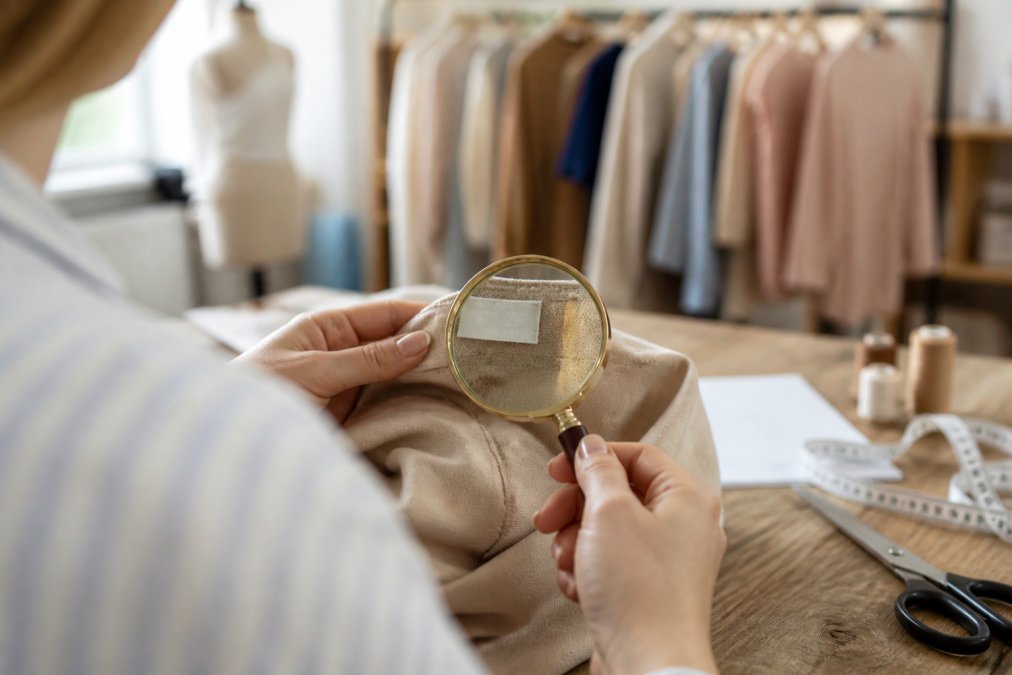
Identifying ethically made clothing means verifying claims, not trusting them. The fastest way to separate a real domestic garment from a marketing story is to read the label the way a regulator would, it is a legal document, not a mood board.
Understanding Made in USA Labeling Laws
The Federal Trade Commission sets the rules for "Made in USA" claims, and the standard is strict: the product must be "all or virtually all" made in the country. The FTC's Made in USA standard explains that this means all significant parts and processing must be of domestic origin, with no more than a negligible amount of foreign content.
The FTC sorts claims into three buckets:
Girls & Junior Short Sleeve T shirt →
- Unqualified "Made in USA." The strongest claim. Every significant part and all significant processing must be domestic. A zipper, thread, or trim sourced overseas can still qualify if the foreign content is truly negligible, but the burden is on the brand to prove it.
- Qualified "Made in USA." This is where most labels actually live. Phrases like "Made in USA of imported fabric," "Assembled in USA," or "Sewn in USA" are legal only when paired with a clear disclosure of the foreign content. The claim is not false, it is just narrower than shoppers assume.
- No claim at all. "Designed in USA," "Inspired in USA," and flag imagery carry no manufacturing requirement. A garment can be fully cut and sewn overseas and still legally fly a domestic flag on the hangtag.
Interactive Checklist for Vetting Brands
Use this checklist before you buy, two minutes, fewer returns.
- Does the label say "Made in USA" or a qualified version like "Made in USA of imported fabric"?
- If it is qualified, does the label state exactly which part is imported?
- Can the brand name the factory or region where the garment was cut and sewn?
- Is there a published size chart with real measurements, not just S/M/L?
- Are there customer photos or reviews showing the fit on real bodies?
- Does the brand disclose material sourcing, or stay silent?
- Is the return policy clear about refunds on flexible-payment orders?
- Does the price match the claimed quality, or is the premium unexplained?
The Supply Chain Transparency Test
Transparency is the difference between a claim and a verifiable fact. A brand with real domestic production can name its cut-and-sew facility, describe its fabric sourcing, and explain how it audits working conditions. A brand that cannot is not necessarily unethical, but unverifiable is not the same as trustworthy.
Three questions separate the two:
- Can they name the factory? Not the city, the facility. Domestic cut-and-sew shops are finite, and brands that use them usually know them by name.
- Do they disclose fabric origin separately from garment origin? These are two different supply chains, and conflating them is the most common transparency gap in the category.
- Is the disclosure consistent across the product page, the hangtag, and the label? Inconsistency is the tell. A product page that says "Made in USA" next to a label that says "Assembled in USA of imported fabric" is a brand that has not reconciled its own claims.
The Impact of Trade Agreements on Domestic Apparel
Trade agreements shape what reaches your closet and at what price. Tariffs and duty rules determine whether imported apparel undercuts domestic production, and those terms shift with every renegotiation.
How Duty Rates Actually Work on Apparel
Apparel is one of the most heavily tariffed consumer categories in the country. Most imported garments enter under a duty rate calculated as a percentage of declared value, and because apparel is finished goods, the rate applies to the full landed cost, not just the fabric.
Three mechanisms drive the price you see:
- Ad valorem duty. A percentage of the garment's declared value, assessed at the port of entry. The rate varies by fiber (cotton, synthetic, wool, and silk are classified differently) and by garment type (knit versus woven, shirt versus dress).
- Preferential trade programs. Certain countries get reduced or zero duty under negotiated agreements. When a program is renegotiated or suspended, the duty snaps back to the standard rate, and that increase shows up in retail pricing within a season or two.
- De minimis thresholds. Small shipments below a value threshold can enter duty-free. This is why some direct-to-consumer imports arrive at prices domestic brands cannot match, the duty was never assessed in the first place.
Why This Matters for Cost-Per-Wear
Here is what most "buy local" articles skip: trade policy does not just set the sticker price. It sets the durability incentive.
Care and Maintenance: Protecting the Cost-Per-Wear You Paid For
High-quality domestic textiles reward proper care with years of extra wear. Most people overwash and overheat their clothes, which breaks down fibers faster than actual wearing does.
Care and Maintenance of High-Quality Domestic Textiles
High-quality domestic textiles reward proper care with years of extra wear. Most people overwash and overheat their clothes, which breaks down fibers faster than actual wearing does.
Frequently Asked Questions
What are the benefits of buying American made clothing?
Buying American made apparel supports domestic manufacturing jobs, reduces carbon footprint from shorter shipping distances, and often means higher quality craftsmanship because of stricter labor and environmental standards. You also get supply chain transparency, so you know where your clothes come from and how they were made. Many women find that domestic pieces last longer, which lowers cost-per-wear over time.
How does domestic manufacturing impact clothing quality?
Domestic manufacturing typically follows stricter quality control and industrial standards than many overseas factories. American cut and sew operations often use higher-grade fabrics and more rigorous inspection, which leads to better garment durability. You'll notice stronger stitching, more consistent sizing, and materials that hold up after repeated washes. This quality difference is a major reason why choose American made women apparel.
What should I look for when shopping for ethically made women's clothing?
Look for clear labeling compliance, such as a 'Made in USA' label that meets FTC standards. Check if the brand shares supply chain traceability details or mentions fair wages and responsible sourcing. Also, read reviews and look for photos from real customers. A brand that is transparent about its manufacturing process is more likely to be ethical and reliable.
Is American made clothing more sustainable than imported alternatives?
American made clothing can be more sustainable because shorter supply chains reduce carbon footprint, and domestic factories often follow stricter environmental stewardship rules. However, sustainability also depends on materials and production methods. Choosing durable pieces that you wear for years is one of the most effective ways to reduce textile waste, regardless of where they're made.